
Cosmetic Facial Acupuncture in Oakland
What to Expect from Your First Session
There is something refreshing about wanting to care for your skin without feeling like you need to change your face.
Maybe you have started noticing fine lines around your eyes. Perhaps your skin looks more tired than you feel. Or you simply want to support healthy aging without injections or more aggressive cosmetic procedures.
For many people, cosmetic facial acupuncture offers an appealing middle ground.
It takes the principles of Traditional Chinese Medicine and applies them to skin health and facial rejuvenation, while still looking at what is happening throughout the body.
If you are considering your first treatment, knowing what to expect can make the experience feel considerably less mysterious.
When Will You Start Seeing Results?
One of the first questions people ask is how quickly they will notice a difference.
The answer depends on your skin, age, lifestyle, and what you hope to address.
After an initial session, some people notice their complexion looks brighter or more refreshed. Increased circulation can create a temporary glow, while releasing tension in areas such as the jaw and forehead may make the face appear softer and more relaxed.
More meaningful changes generally take time.
Facial acupuncture uses very fine needles placed at specific points on the face and body. The treatment is intended to encourage circulation and support the skin's natural repair processes rather than creating an immediate cosmetic alteration.
With a series of treatments, you may begin noticing changes in skin tone, texture, facial tension, and the appearance of fine lines.
We think of it less as an overnight transformation and more as helping your skin function at its healthiest.
Your Skin Is Connected to the Rest of You
This is where facial acupuncture becomes particularly interesting.
We do not see the face as something separate from the body.
Skin can reflect what is happening internally. Poor sleep can show up around the eyes. Chronic stress can create tension in the jaw and forehead. Hormonal changes can affect complexion and breakouts. Digestion, hydration, circulation, and nutrition can all influence how healthy the skin looks and feels.
That means your first appointment may include questions that seem unrelated to skincare. How are you sleeping? How is your digestion? Have you been under more stress lately? Have you noticed hormonal changes?
These questions help us understand the bigger picture.
With cosmetic facial acupuncture, needles may be placed both on the face and elsewhere on the body. This allows us to address your cosmetic goals while also supporting patterns that may be contributing to what you are seeing in the mirror.
It is skin care from the inside out.
A Gentler Approach to Cosmetic Care
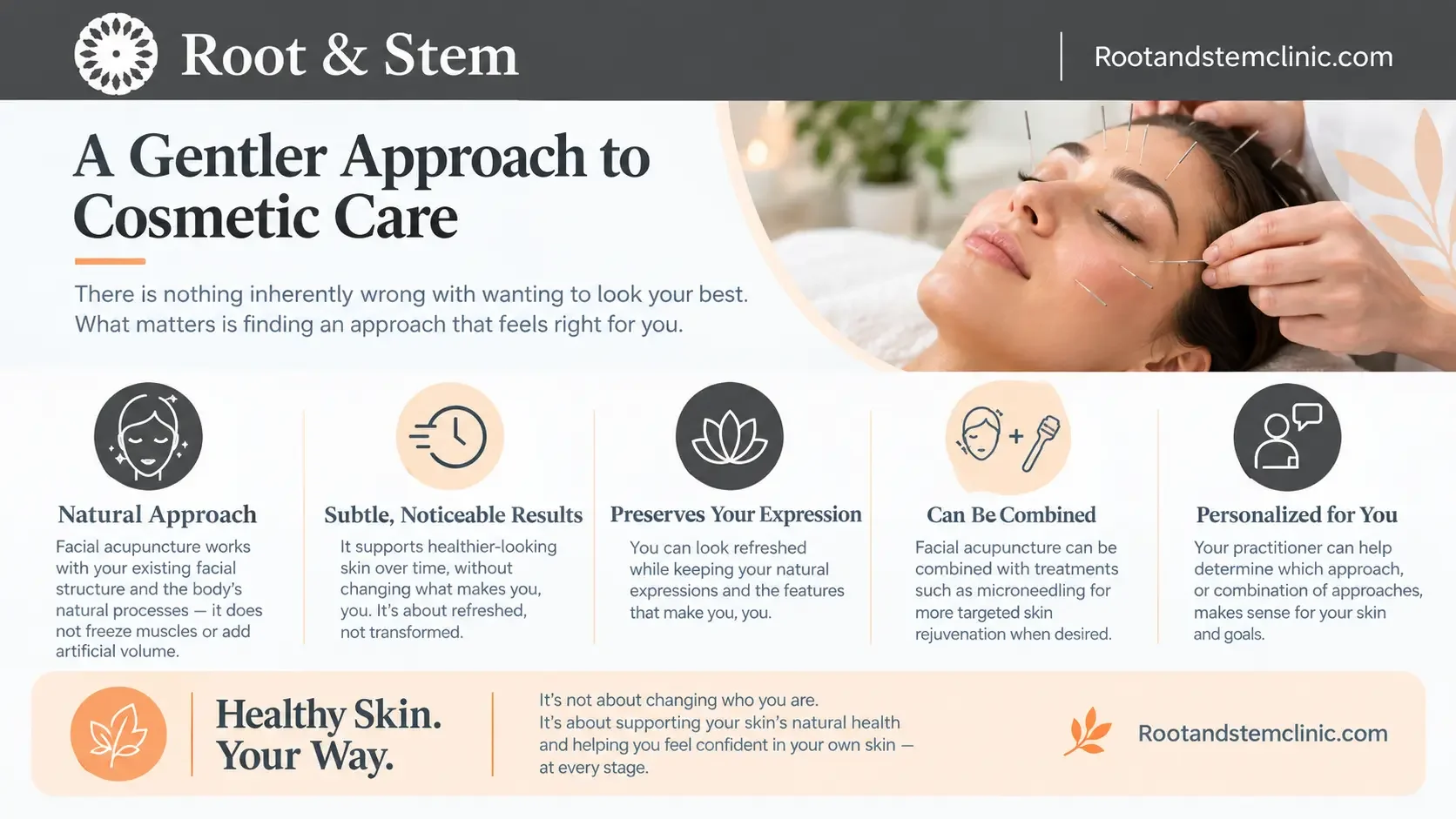
There is nothing inherently wrong with wanting to look your best. What matters is finding an approach that feels right for you.
Treatments such as Botox and dermal fillers can produce relatively quick and noticeable cosmetic changes. Facial acupuncture takes a different path.
It does not freeze facial muscles or add artificial volume. Instead, it works with your existing facial structure and the body's natural processes.
For some people, that distinction matters. They are not necessarily trying to eliminate every line or stop the visible aging process. They want healthier-looking skin while preserving their expressions and the features that make them look like themselves.
Facial acupuncture can also be combined with treatments such as microneedling when more targeted skin rejuvenation is desired. Your practitioner can help determine which approach, or combination of approaches, makes sense for your skin and goals.
What Happens After Your Appointment?
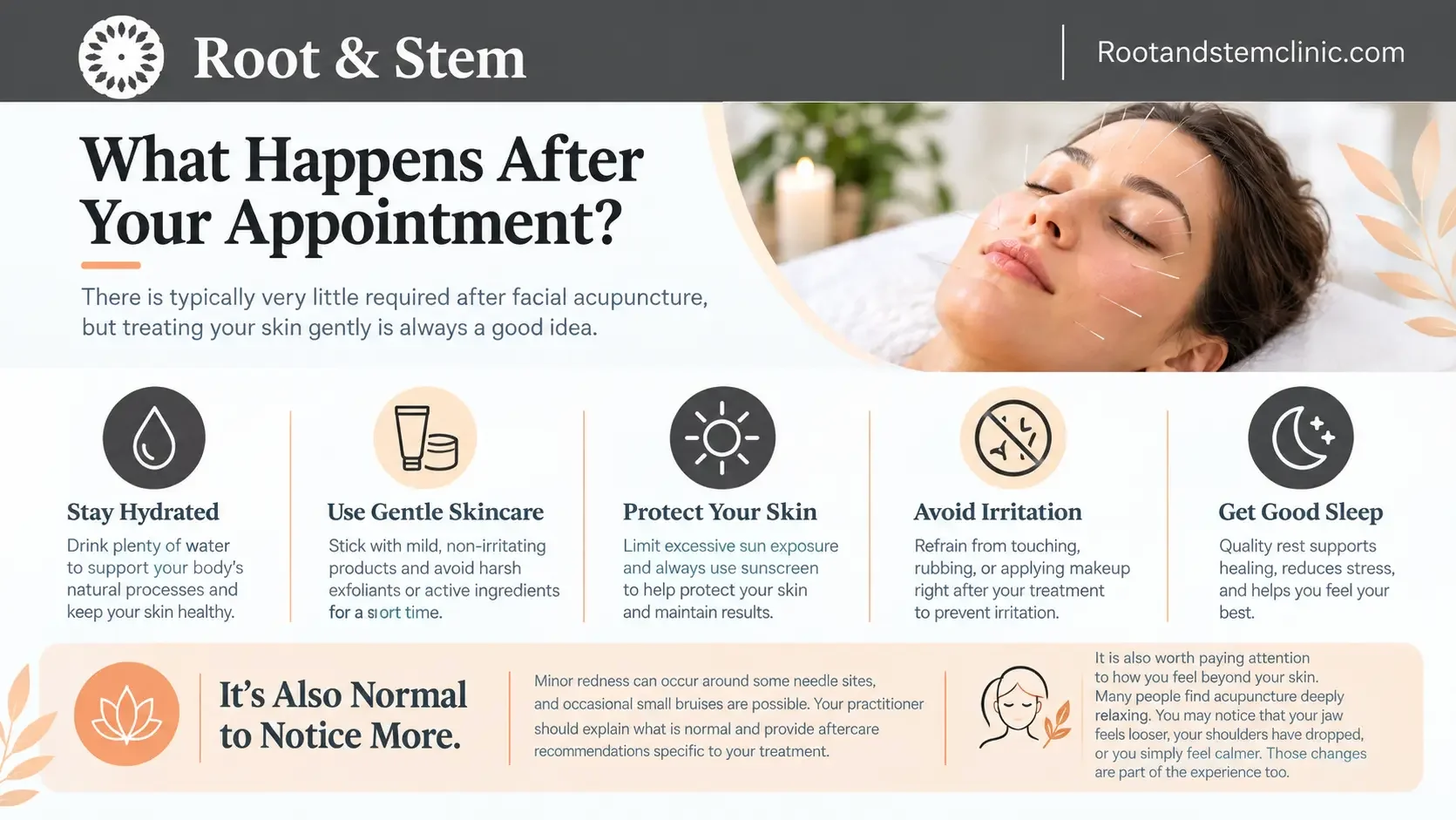
There is typically very little required after facial acupuncture, but treating your skin gently is always a good idea.
After your appointment, we generally recommend staying well hydrated, using gentle skincare products, protecting your skin from excessive sun exposure, avoiding unnecessary irritation immediately following treatment, and getting a good night's sleep when possible.
Minor redness can occur around some needle sites, and occasional small bruises are possible. Your practitioner should explain what is normal and provide aftercare recommendations specific to your treatment.
It is also worth paying attention to how you feel beyond your skin. Many people find acupuncture deeply relaxing. You may notice that your jaw feels looser, your shoulders have dropped, or you simply feel calmer than when you walked through the door.
Those changes are part of the experience too.
Feeling Like Yourself Is the Goal
Healthy aging does not require fighting every change you see in the mirror. Sometimes it simply means giving your skin, and yourself, a little more support.
Cosmetic facial acupuncture offers a way to approach skin rejuvenation with patience, intention, and respect for the whole body. Results develop gradually, which is exactly what appeals to many of the people who choose it.
The goal is not to walk out looking like somebody different. It is to look in the mirror and see yourself, rested, vibrant, and well cared for.
With care, The Root and Stem Clinic Team
Frequently Asked Questions
-
Most people find facial acupuncture surprisingly comfortable. The needles used are extremely fine, and while you may feel a brief sensation during placement, many patients become deeply relaxed once the treatment begins.
-
It depends on your skin, age, goals, and the concerns being addressed. Some people notice subtle changes after their first few appointments, while a series of treatments is generally recommended when working toward more noticeable, progressive results.
-
Facial acupuncture may help support circulation, skin tone, and texture while softening the appearance of fine lines and reducing facial tension. Individual results vary, so treatment should be personalized to your skin and overall health.
-
Typically, there is minimal downtime. Some temporary redness may occur, and small bruises are possible where needles were placed. Most people can return to their regular activities following treatment.
-
Yes. The treatments work differently and may complement one another. Facial acupuncture takes a broader whole-body approach, while microneedling creates controlled micro-injuries intended to stimulate the skin's repair and collagen response.
-
It can be an option for people seeking a more natural, gradual approach to facial rejuvenation, but the treatments do not produce identical results. Botox, fillers, and facial acupuncture work in very different ways. The best choice depends on your goals, expectations, and personal preferences.

Pain Management Doctors in Oakland CA
Why Acupuncturists Are Part of the Team
Living with pain changes more than the way your body feels.
It can change how you sleep, how you move, how you work, and how much energy you have left for the people and activities you love.
For someone dealing with persistent pain, finding relief can become a journey of appointments, medications, imaging, exercises, and different specialists.
But pain is rarely simple.
This is why some of the most effective approaches do not ask patients to choose between conventional and complementary medicine. Instead, they bring different perspectives together.
When patients are already working with pain management doctors in Oakland, acupuncture can become another valuable part of that care team, addressing pain from a different angle while supporting the whole person experiencing it.
Acupuncture Can Complement Conventional Pain Care
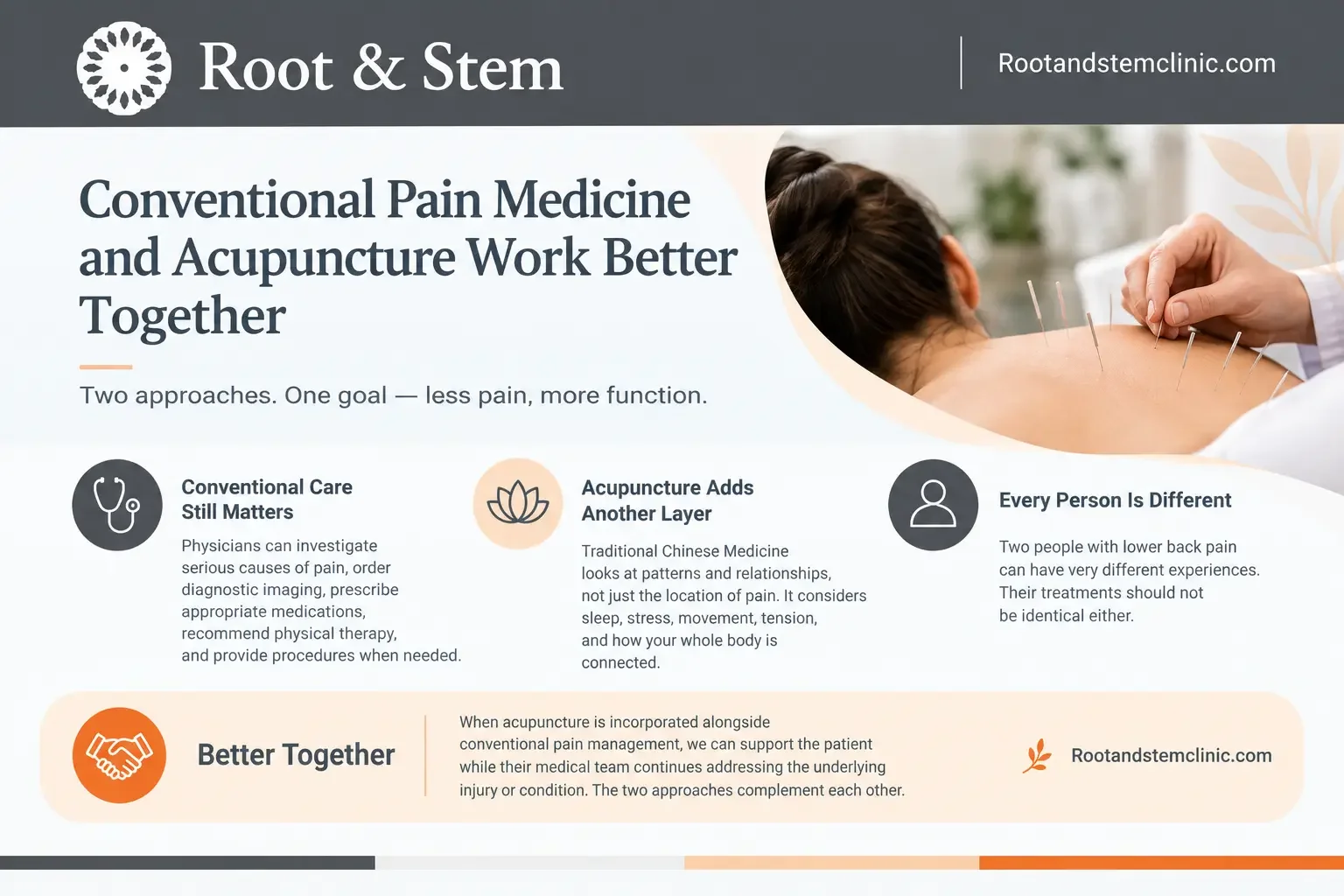
Conventional pain medicine has an important role.
Physicians can investigate potentially serious causes of pain, order diagnostic imaging, prescribe appropriate medications, recommend physical therapy, and provide procedures when needed.
Acupuncture does not replace that care. It adds another layer.
Traditional Chinese Medicine has approached pain through patterns and relationships for thousands of years. Rather than looking only at the location that hurts, we consider what else is happening throughout the body. How are you sleeping? Does stress make the pain worse? Is movement helping or aggravating it? Are you carrying tension elsewhere because you have been compensating for the painful area?
Two people can walk into our clinic with lower back pain and have very different experiences of it. That means their treatments should not necessarily look identical either.
When acupuncture is incorporated alongside conventional pain management, we can support the patient while their medical team continues addressing the underlying injury or condition. The two approaches do not have to compete. They can complement each other.
Chronic Pain Is More Than What Hurts
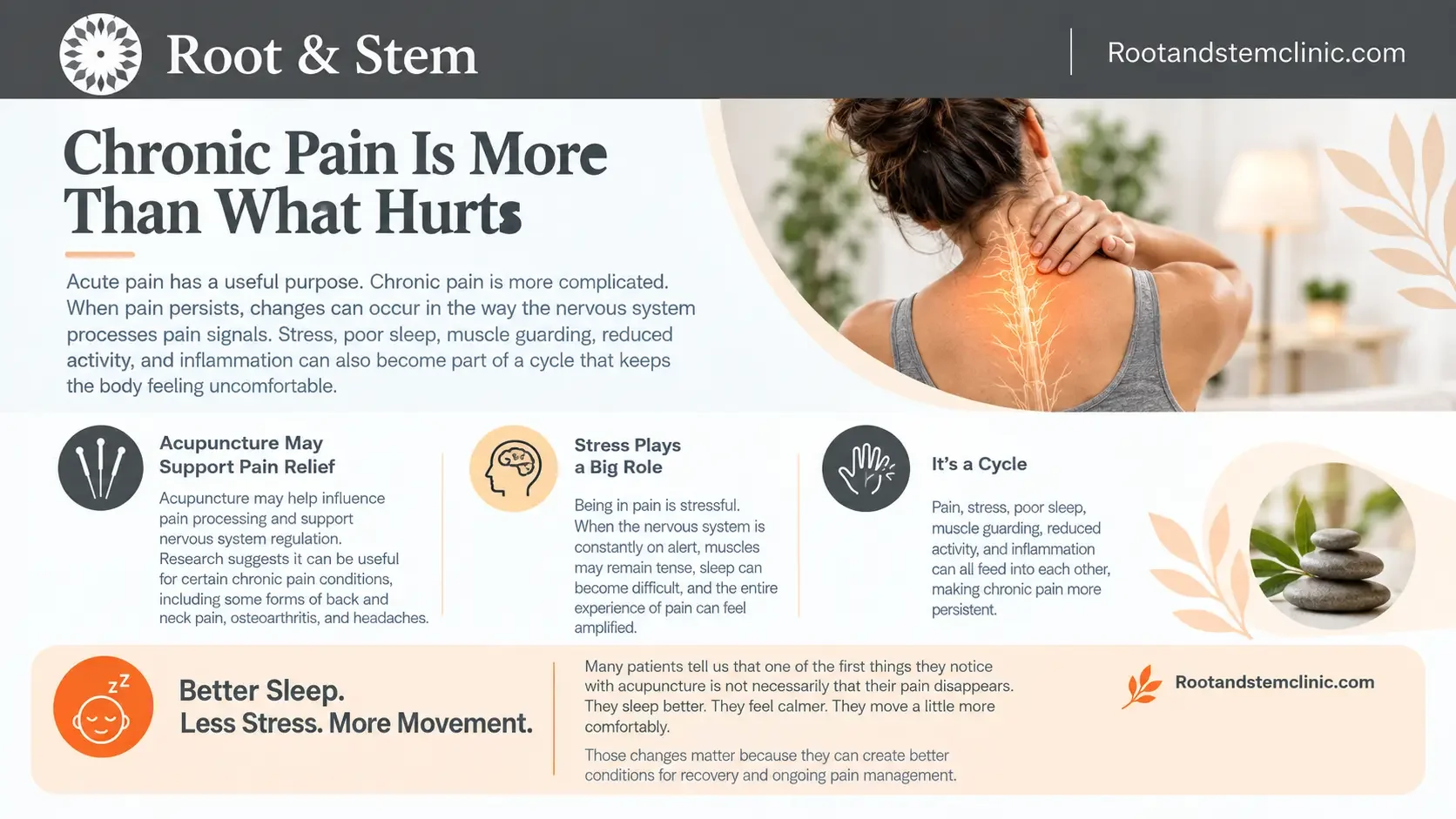
Acute pain has a useful purpose. Touch a hot stove, twist an ankle, or strain a muscle and pain tells you something needs attention.
Chronic pain is more complicated.
When pain persists, changes can occur in the way the nervous system processes pain signals. Stress, poor sleep, muscle guarding, reduced activity, and inflammation can also become part of a cycle that keeps the body feeling uncomfortable. This is why focusing only on the painful area does not always provide the relief someone hopes for.
Acupuncture may help influence pain processing and support nervous system regulation. Research suggests it can be useful for certain chronic pain conditions, including some forms of back and neck pain, osteoarthritis, and headaches.
There is another part we do not overlook: being in pain is stressful.
When the nervous system is constantly on alert, muscles may remain tense, sleep can become difficult, and the entire experience of pain can feel amplified.
Many patients tell us that one of the first things they notice with acupuncture is not necessarily that their pain disappears. They sleep better. They feel calmer. They move a little more comfortably.
Those changes matter because they can create better conditions for recovery and ongoing pain management.
Can Acupuncture Work Better Than Pain Medication?
This is an important question, and the answer is not simply yes or no.
Medication can be extremely valuable for managing pain, and there are situations where it is clearly appropriate. Acupuncture should not be viewed as a universal replacement for medication or medical treatment.
Some people find, however, that medication alone does not provide enough relief, produces unwanted side effects, or does not address other factors contributing to their pain.
For certain chronic pain conditions, acupuncture has evidence supporting its use as a non-drug treatment option. Depending on the person and condition, it may help reduce pain and improve physical function.
The goal is not to determine whether acupuncture or medication is the better choice. A more useful question is what combination of care gives a particular person the best opportunity to feel and function better.
For some patients, that includes medication. For others, it may include acupuncture, physical therapy, movement, nutrition, stress management, or several approaches working together.
If medication changes are being considered, those decisions should always be discussed with the prescribing healthcare provider.
Treating the Person Who Has the Pain
One of the things we value most about integrative pain care is that it brings the focus back to the individual.
A diagnosis matters. But so does the person living with it.
At our clinic, an acupuncture treatment plan may consider the location and intensity of your pain alongside your sleep, stress, digestion, energy, movement, and overall health.
We also pay attention to progress that can easily be overlooked. Maybe you can sit comfortably for longer. Maybe you are waking up less often at night. Maybe you can take a longer walk. Maybe the pain is still present, but it no longer controls the entire day.
Those are meaningful changes.
Building a Better Team Around Pain
Living with chronic pain can make people feel as though they are constantly searching for the one treatment that will finally solve everything.
Sometimes there is no single answer. Sometimes the better path is building the right team.
Pain management doctors, acupuncturists, physical therapists, and other qualified healthcare professionals can bring different skills to the same problem. When appropriate, combining those perspectives can create a more complete approach to pain care.
If acupuncture becomes part of that team, our role is to understand your experience, work alongside the care you are already receiving, and help your body find greater comfort and resilience wherever possible.
Successful pain management is not always about eliminating every sensation. Sometimes it begins with getting more of your life back.
With care, The Root and Stem Clinic Team
Frequently Asked Questions
-
Acupuncture is commonly used for musculoskeletal and chronic pain concerns, including lower back pain, neck pain, osteoarthritis-related discomfort, and certain headaches. Whether it is appropriate depends on the cause of your pain and your individual health circumstances.
-
Yes. Acupuncture is often used as a complementary treatment alongside conventional medical care. Let your practitioners know about the treatments and medications you are receiving so your care can be coordinated appropriately.
-
Research suggests acupuncture may influence the nervous system and the way pain signals are processed. It may also help reduce muscle tension and support relaxation. The mechanisms are still being studied, and individual responses vary.
-
Not necessarily. Medication and acupuncture serve different purposes, and you should never stop or alter prescribed medication without speaking with the healthcare professional who prescribed it. Acupuncture may provide an additional non-drug option within a broader pain management plan.
-
There is no universal number. Acute concerns may respond differently than pain that has been present for months or years. Treatment frequency should be based on the cause and duration of your pain, your overall health, and how you respond to care.
-
New, severe, unexplained, or rapidly worsening pain should be medically evaluated. Seek prompt medical attention for pain accompanied by concerning symptoms such as significant weakness, loss of bladder or bowel control, chest pain, difficulty breathing, fever, or a serious injury.
How to Choose an Acupuncturists in Nevada City
Finding a Practitioner You Can Trust
Choosing a healthcare provider is about more than finding someone close to home.
It's about finding someone who listens. Someone who sees you as more than a list of symptoms. Someone who creates a space where you feel comfortable asking questions and confident in the care you're receiving.
If you've been researching Acupuncturists Nevada City, you may have noticed there are many options available. While that's encouraging, it can also make the decision feel overwhelming.
The good news is that finding the right practitioner doesn't have to be complicated. Knowing what to look for can help you choose someone who aligns with both your health goals and your values.
Look for Strong Credentials and Ongoing Education
Acupuncture is both an art and a science.
A qualified practitioner should have completed extensive education in Traditional Chinese Medicine, acupuncture techniques, anatomy, physiology, and safety protocols, along with the licensing requirements in their state.
But education shouldn't stop after graduation.
Healthcare is constantly evolving, and the best practitioners continue learning throughout their careers. Whether it's advanced fertility care, pain management, cosmetic acupuncture, functional medicine, or herbal medicine, ongoing education allows practitioners to provide thoughtful, evidence-informed care while honouring the wisdom of traditional practices.
When researching a clinic, don't hesitate to learn about the practitioner's background, areas of focus, and professional development.
Find a Treatment Philosophy That Fits You
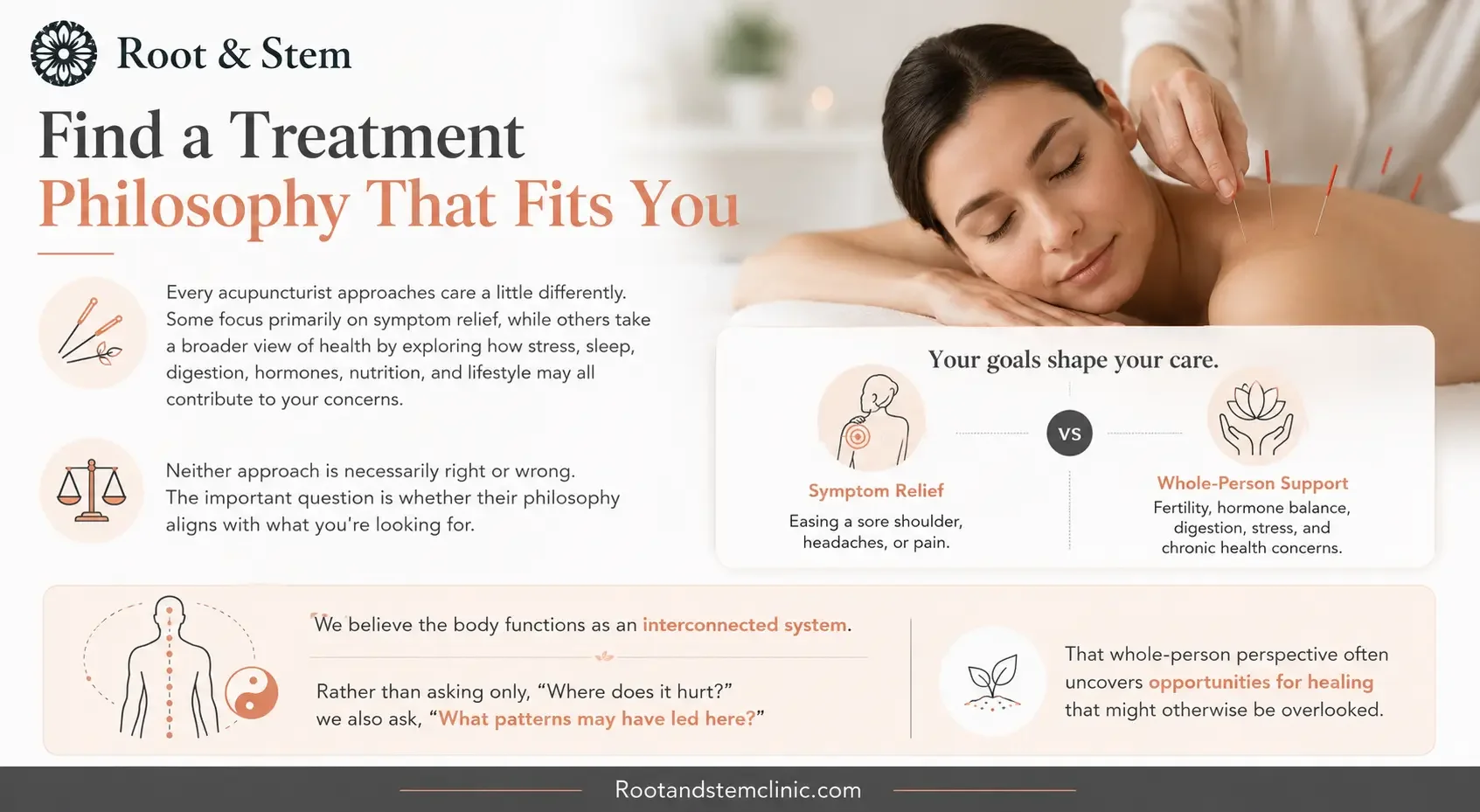
Every acupuncturist approaches care a little differently.
Some focus primarily on symptom relief, while others take a broader view of health by exploring how stress, sleep, digestion, hormones, nutrition, and lifestyle may all contribute to your concerns.
Neither approach is necessarily right or wrong.
The important question is whether their philosophy aligns with what you're looking for.
If your goal is simply to ease a sore shoulder, your needs may be different than someone seeking support for fertility, hormone balance, or chronic health concerns.
We believe the body functions as an interconnected system. Rather than asking only, "Where does it hurt?" we also ask, "What patterns may have led here?"
That whole-person perspective often uncovers opportunities for healing that might otherwise be overlooked.
Notice How They Communicate
One of the most overlooked qualities of an excellent practitioner is communication.
You should feel comfortable asking questions.
Your practitioner should take time to explain their recommendations in language that makes sense, helping you understand not only what they're treating, but why.
During your first visit, pay attention to how you feel.
Do you feel heard?
Do they ask thoughtful questions about your overall health?
Do they take time to understand your concerns without rushing the conversation?
Trust develops when communication feels open, respectful, and collaborative.
Healing often begins with feeling understood.
Know the Red Flags
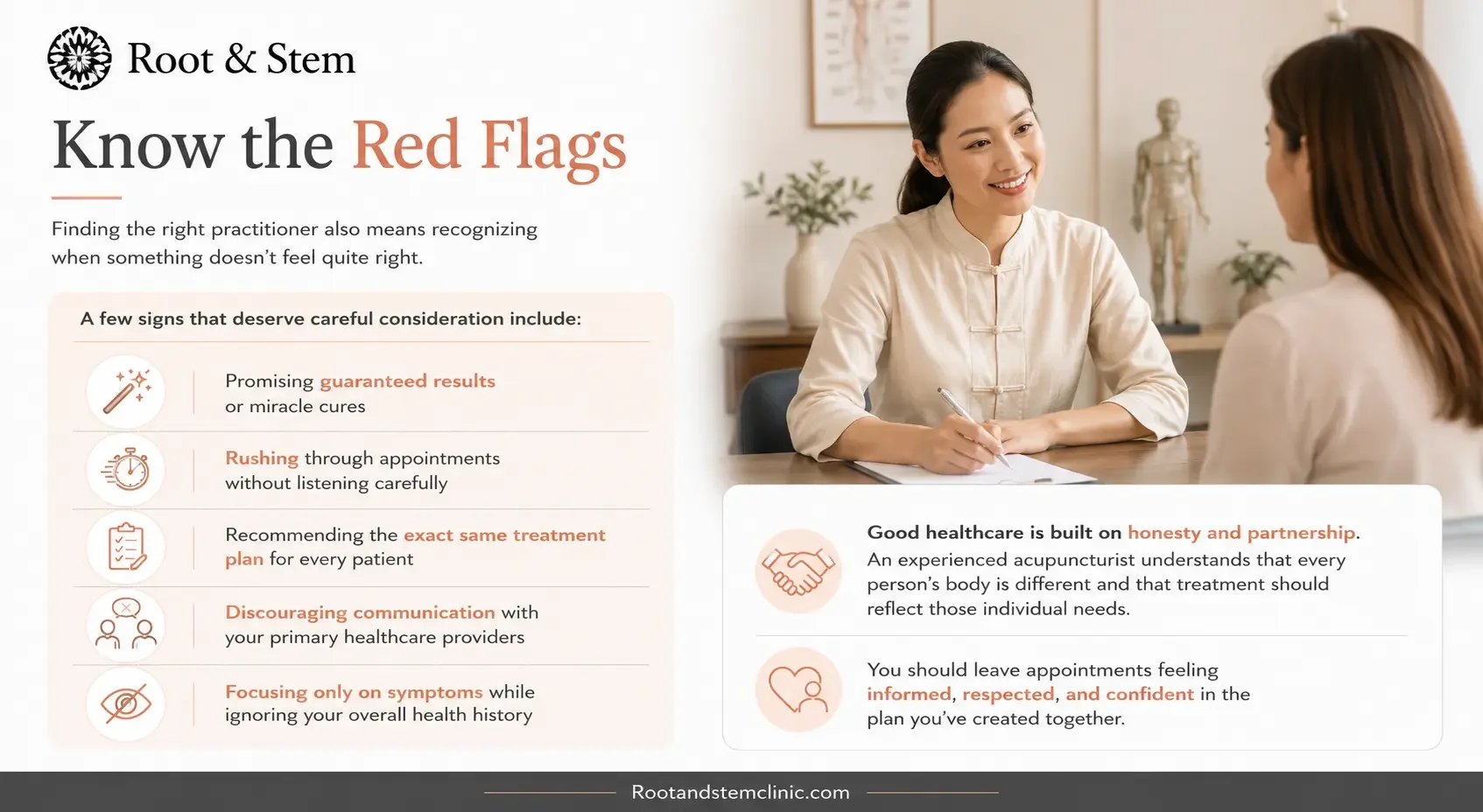
Finding the right practitioner also means recognizing when something doesn't feel quite right.
A few signs that deserve careful consideration include:
Promising guaranteed results or miracle cures
Rushing through appointments without listening carefully
Recommending the exact same treatment plan for every patient
Discouraging communication with your primary healthcare providers
Focusing only on symptoms while ignoring your overall health history
Good healthcare is built on honesty and partnership.
An experienced acupuncturist understands that every person's body is different and that treatment should reflect those individual needs.
You should leave appointments feeling informed, respected, and confident in the plan you've created together.
Trust Is Built One Conversation at a Time
The right acupuncturist won't simply provide treatment.
They'll help you better understand your own body.
They'll celebrate your progress, help you navigate setbacks with compassion, and work alongside you as your health evolves over time.
Choosing an acupuncturist is ultimately about finding someone you trust to walk with you on your wellness journey.
When you find that relationship, healing often becomes about much more than relieving symptoms. It becomes an opportunity to reconnect with your health in a deeper, more meaningful way.
With care,
The Root & Stem Clinic Team
Frequently Asked Questions
-
Look for a licensed acupuncturist who has completed accredited education and meets all state licensing requirements. Additional training in specialties such as fertility, pain management, or functional medicine can also be valuable depending on your health goals.
-
A good fit often comes down to communication and trust. You should feel listened to, respected, and included in your treatment plan. A consultation is a great opportunity to see whether the practitioner's approach aligns with your needs.
-
Yes. Acupuncture takes a whole-body approach, so it's common for practitioners to ask about your sleep, digestion, stress, energy, medical history, and lifestyle—not just the symptom that brought you in.
-
Absolutely. Many people use acupuncture alongside care from their family physician or specialist. A collaborative approach can help support your overall health while ensuring all aspects of your care are considered.
-
The number of treatments varies depending on your health concerns, how long you've been experiencing symptoms, and your individual goals. Your practitioner should discuss a personalized treatment plan after your initial assessment.
-
Your first visit typically includes a detailed health discussion, an assessment of your symptoms and overall wellness, followed by your first acupuncture treatment. The appointment is designed to help your practitioner understand your unique health picture so they can develop an individualized plan.
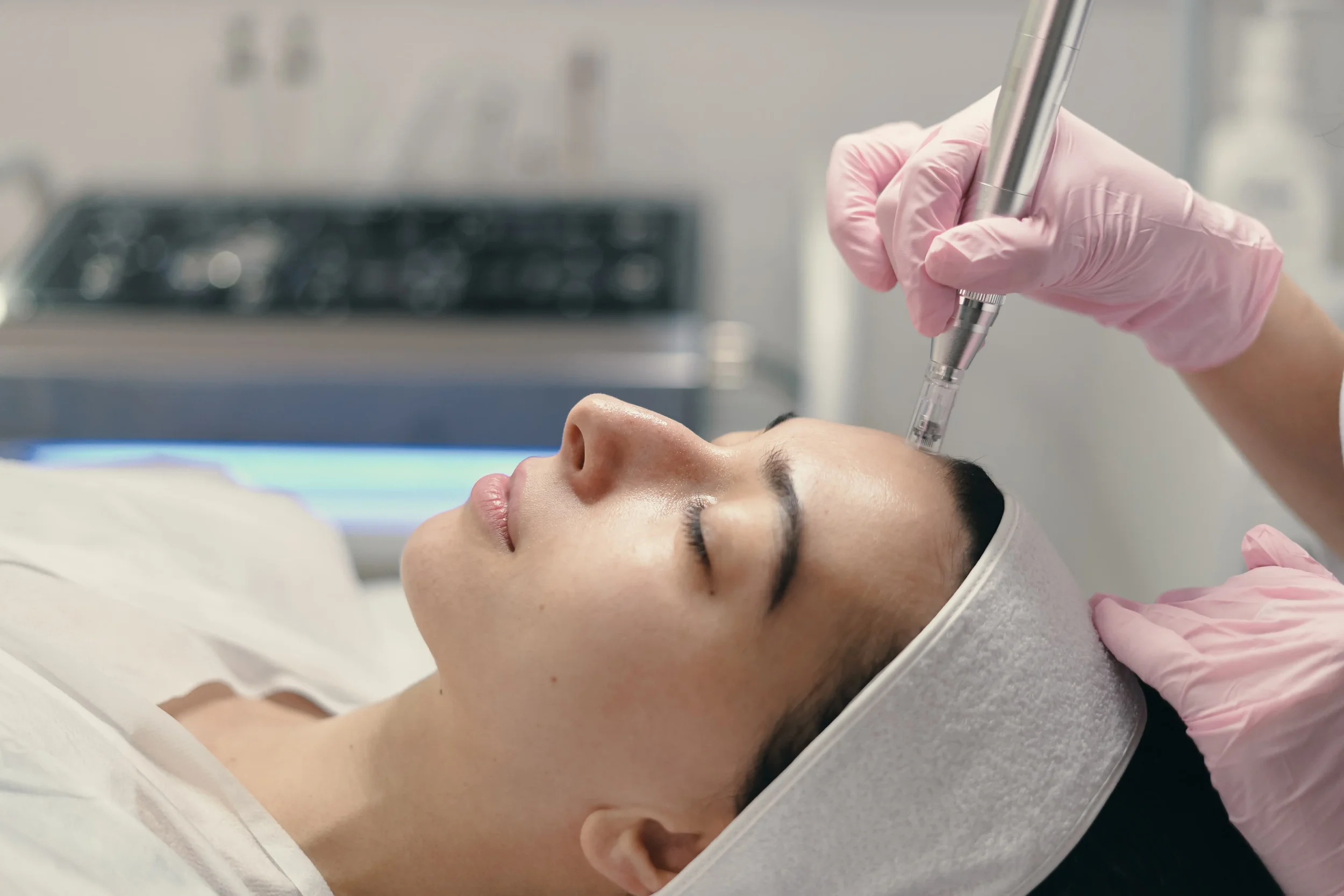
Microneedling in Nevada City: A Holistic Approach to Skin Renewal
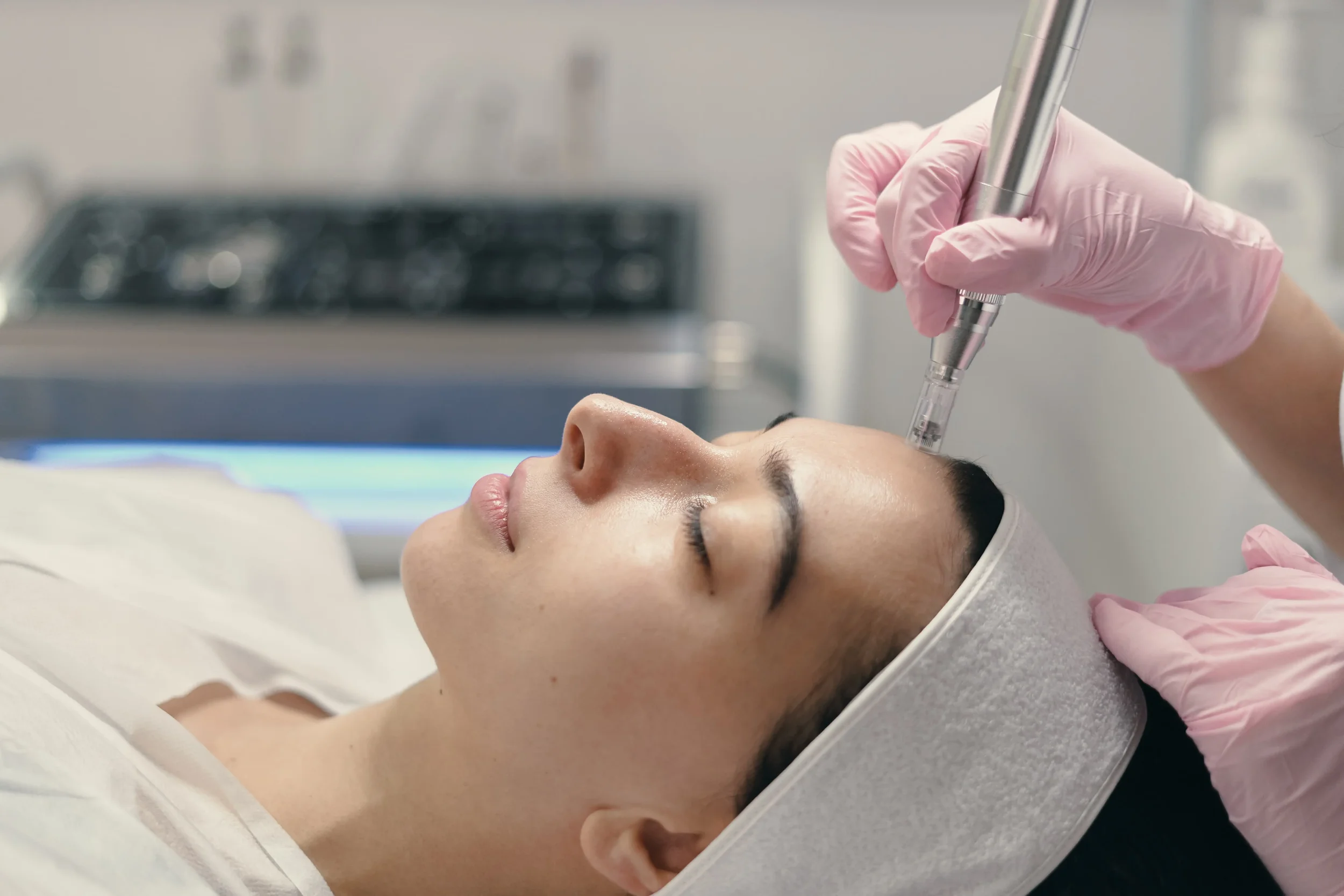
Our skin tells a story.
It reflects the years we've lived, the sun we've enjoyed, the stress we've carried, and the care we've given ourselves along the way. Over time, you may notice changes that seem to appear gradually—fine lines, uneven texture, acne scars that never quite faded, or a complexion that simply doesn't feel as vibrant as it once did.
For many people, the goal isn't to look like someone else. It's to feel refreshed while still looking like themselves.
That's why more people are exploring Microneedling Nevada City as part of a holistic approach to healthy, radiant skin. Rather than masking imperfections, microneedling encourages your body's natural ability to repair and renew itself.
Understanding the Basics of Microneedling
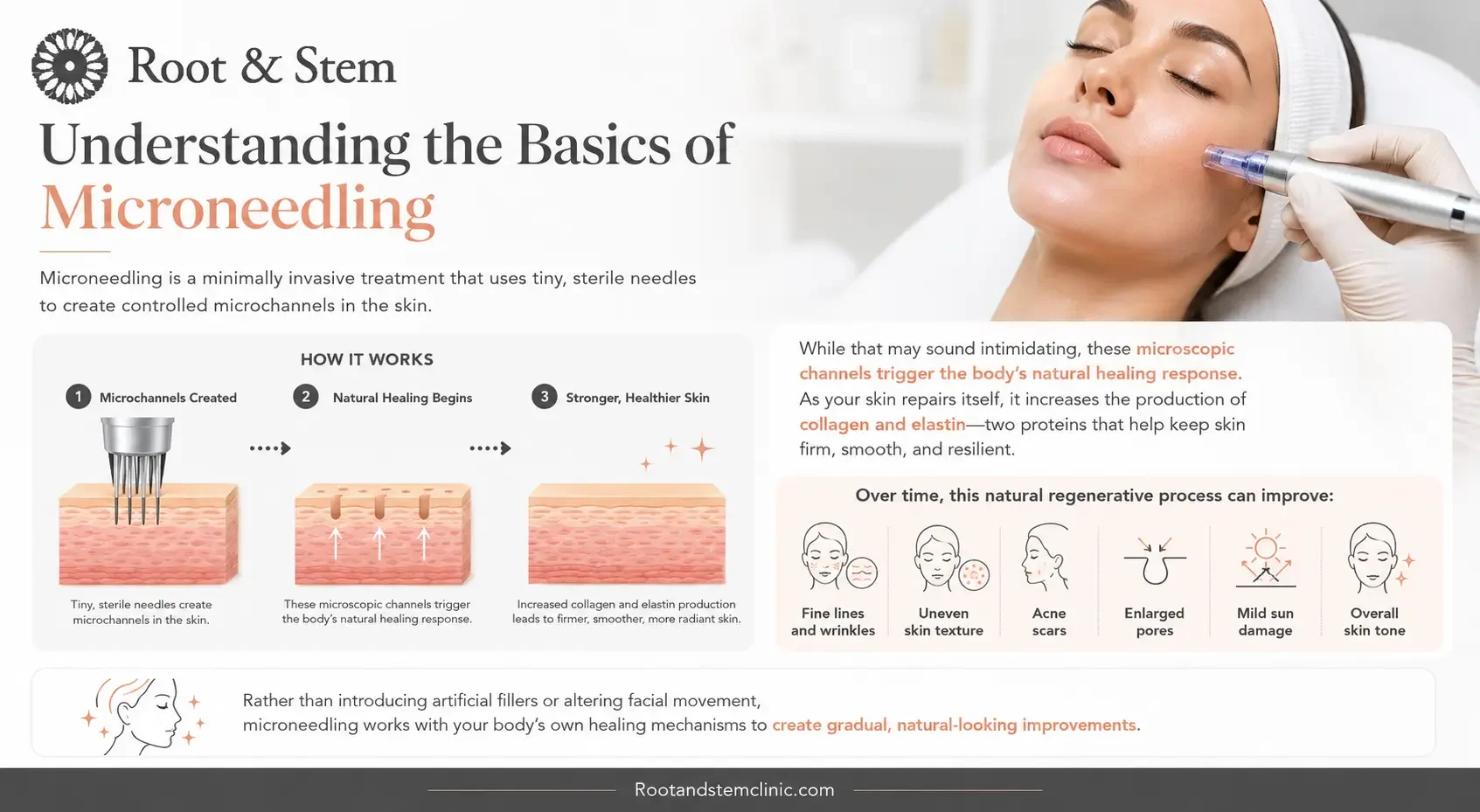
Microneedling is a minimally invasive treatment that uses tiny, sterile needles to create controlled microchannels in the skin.
While that may sound intimidating, these microscopic channels trigger the body's natural healing response. As your skin repairs itself, it increases the production of collagen and elastin—two proteins that help keep skin firm, smooth, and resilient.
Over time, this natural regenerative process can improve:
Fine lines and wrinkles
Uneven skin texture
Acne scars
Enlarged pores
Mild sun damage
Overall skin tone
Rather than introducing artificial fillers or altering facial movement, microneedling works with your body's own healing mechanisms to create gradual, natural-looking improvements.
Why Combining Eastern Medicine Enhances Results
Healthy skin begins beneath the surface.
In Traditional Chinese Medicine, the skin is viewed as a reflection of internal health. Circulation, digestion, stress, sleep, and hormonal balance all influence how the skin heals and ages.
This is why we often combine microneedling with therapies that support the whole person.
Acupuncture can help improve circulation, calm the nervous system, and encourage the body's natural healing processes. Herbal medicine and lifestyle recommendations may further support healthy skin by addressing internal patterns that contribute to inflammation or poor healing.
When the body feels supported from within, the skin often responds more beautifully.
Rather than focusing only on the surface, we create an environment where healthy skin can thrive.
Skin Concerns Microneedling Can Help Address
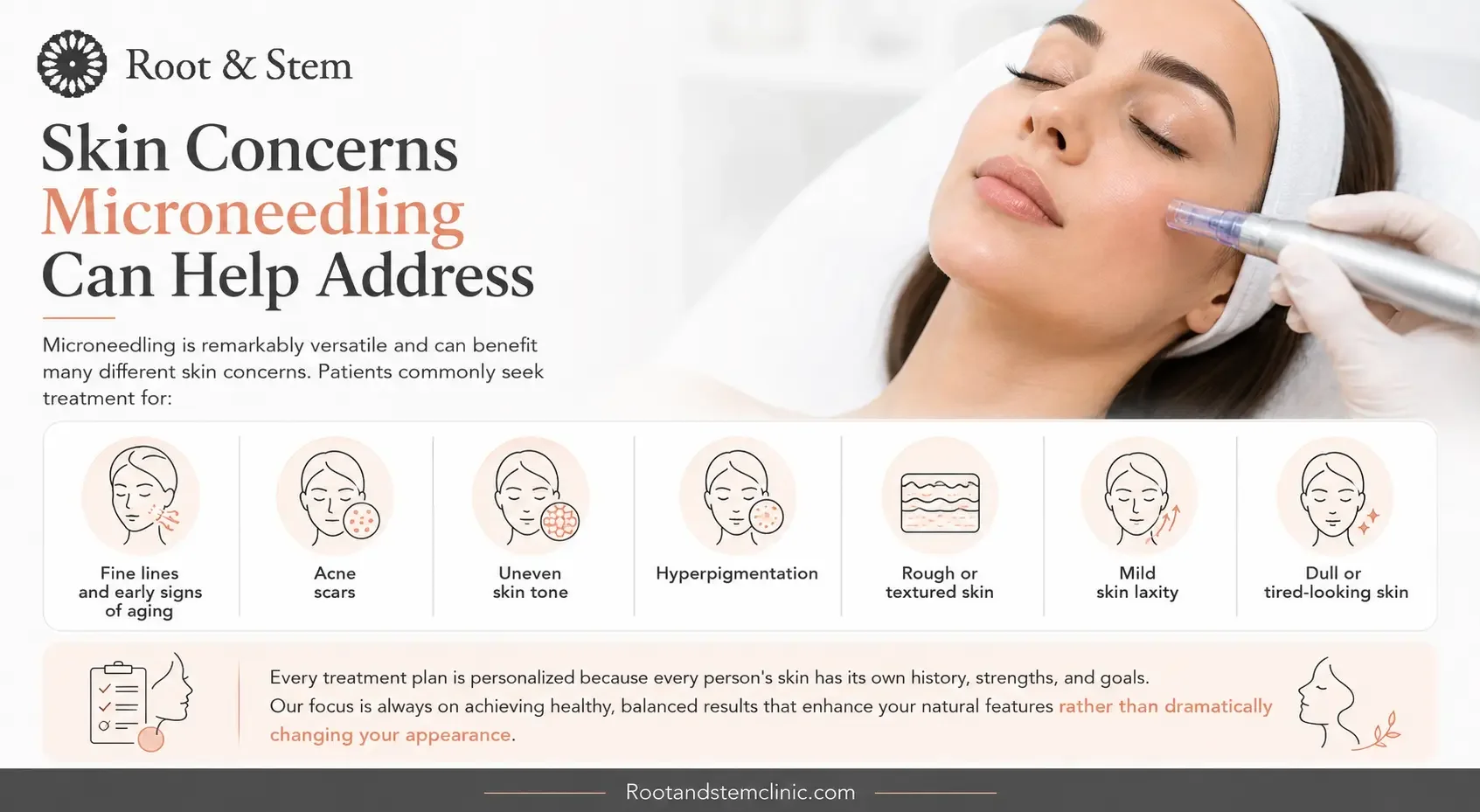
Microneedling is remarkably versatile and can benefit many different skin concerns.
Patients commonly seek treatment for:
Fine lines and early signs of aging
Acne scars
Uneven skin tone
Hyperpigmentation
Rough or textured skin
Mild skin laxity
Dull or tired-looking skin
Every treatment plan is personalized because every person's skin has its own history, strengths, and goals.
Our focus is always on achieving healthy, balanced results that enhance your natural features rather than dramatically changing your appearance.
How Many Sessions Are Usually Recommended?
One of the most common questions we hear is, "How many treatments will I need?"
The answer depends on your skin and your goals.
Some people notice brighter, healthier-looking skin after their first session, while concerns like acne scarring or deeper lines often require a series of treatments.
Because collagen production continues for weeks after each appointment, improvements happen gradually.
Most patients achieve their best results through a customized treatment plan, followed by occasional maintenance sessions to support ongoing skin health.
Healing isn't rushed.
Just like caring for your overall health, healthy skin develops through consistency and patience.
Healthy Skin Reflects Whole-Body Wellness
The most meaningful skin transformations often begin long before they're visible in the mirror.
When circulation improves, inflammation settles, stress decreases, and the body has the resources it needs to repair itself, the skin naturally begins to reflect those changes.
Microneedling is a powerful tool, but it's even more effective when it's part of a broader philosophy of wellness—one that supports both your skin and the body beneath it.
Because when you care for the whole person, healthy skin often follows.
With care,
The Root & Stem Clinic Team
Frequently Asked Questions
-
Microneedling is a minimally invasive treatment that creates tiny microchannels in the skin to stimulate your body's natural collagen and elastin production. This helps improve skin texture, tone, and overall appearance over time.
-
Most people tolerate microneedling very well. A topical numbing cream is typically applied before treatment to maximize comfort, and many patients describe the sensation as mild pressure or light scratching.
-
Many people notice healthier-looking skin within a week or two, while collagen production continues for several weeks after treatment. The best results typically develop after a series of sessions.
-
Yes. Combining microneedling with acupuncture can support both the surface of the skin and the body's internal healing processes. This holistic approach may enhance circulation, reduce stress, and promote healthier skin from the inside out.
-
Microneedling is suitable for many adults who want to improve fine lines, acne scars, uneven texture, enlarged pores, or overall skin quality. A consultation helps determine whether it's the right treatment for your individual skin concerns.
-
Following your practitioner's aftercare instructions is important. Most people are advised to keep the skin clean, avoid excessive sun exposure, use gentle skincare products, and allow the skin time to heal naturally over the following days.
Can Acupuncture Help Support Egg Quality?
For many people trying to conceive, the conversation eventually turns to egg quality.
It’s a term that comes up often during fertility consultations, especially as we get older or begin exploring treatments like IVF. But while egg quality is frequently discussed, it’s not always well understood.
One question we hear regularly is:
"Can acupuncture improve egg quality?"
The answer deserves a thoughtful explanation.
Acupuncture cannot change a person's age or guarantee pregnancy. However, it can help support many of the systems that contribute to reproductive health, creating an environment where your body is better equipped to function at its best.
Rather than focusing on a single outcome, we focus on supporting the whole person throughout their fertility journey.
Understanding What Influences Egg Quality
Egg quality is influenced by many different factors.
Age plays an important role, but it isn't the only one.
Hormonal balance, circulation, inflammation, stress, sleep, nutrition, and overall health all contribute to the environment in which eggs develop. In fact, an egg takes approximately three months to mature before ovulation, meaning the choices and conditions during that time matter.
This is why fertility care often begins well before someone is actively trying to conceive or preparing for IVF.
Supporting the body consistently over time gives it the opportunity to function as efficiently as possible.
How Acupuncture Supports Reproductive Health
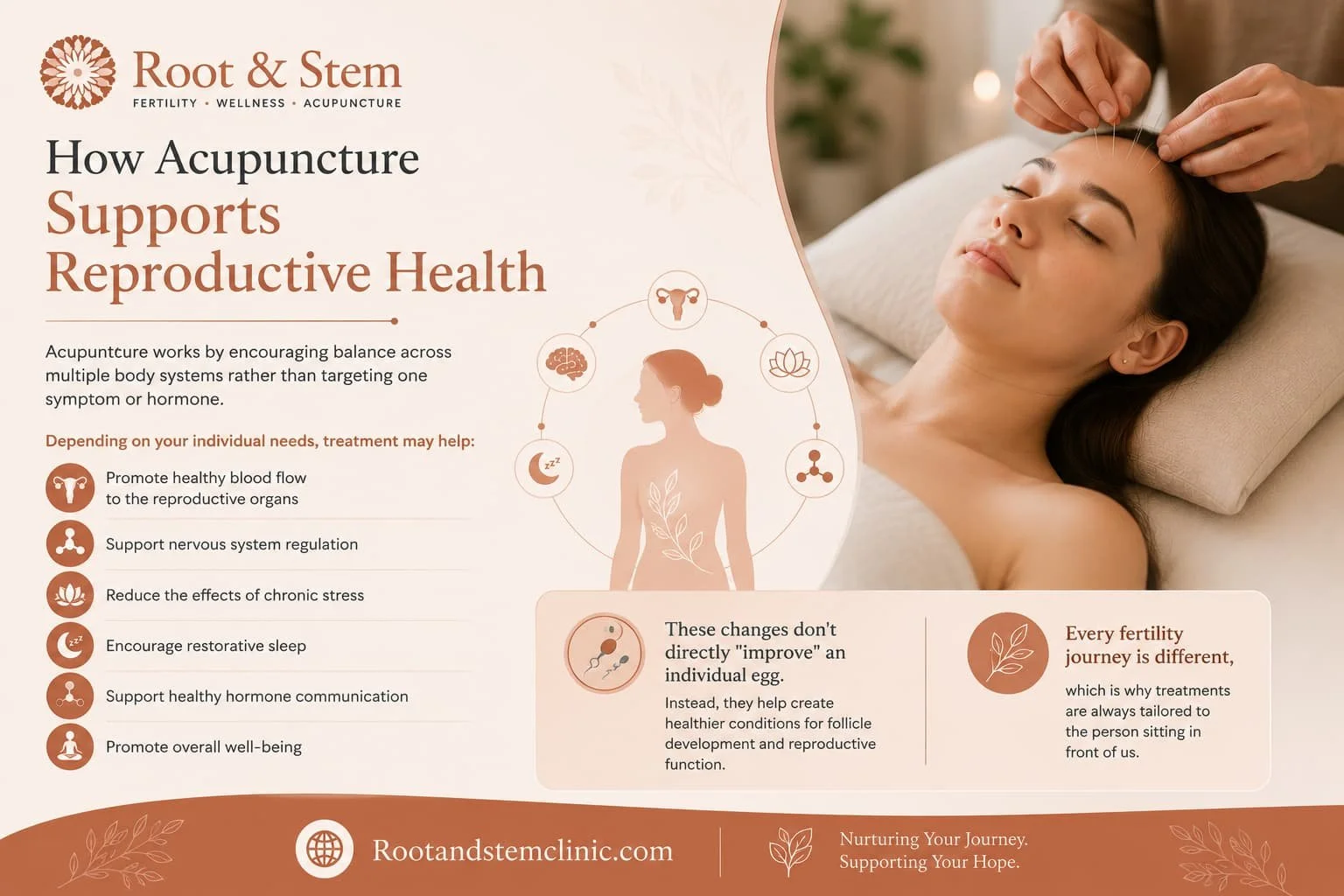
Acupuncture works by encouraging balance across multiple body systems rather than targeting one symptom or hormone.
Depending on your individual needs, treatment may help:
Promote healthy blood flow to the reproductive organs
Support nervous system regulation
Reduce the effects of chronic stress
Encourage restorative sleep
Support healthy hormone communication
Promote overall well-being
These changes don't directly "improve" an individual egg. Instead, they help create healthier conditions for follicle development and reproductive function.
Every fertility journey is different, which is why treatments are always tailored to the person sitting in front of us.
Looking Beyond the Ovaries
One of the greatest strengths of Traditional Chinese Medicine is that it never views the reproductive system in isolation.
When we meet with someone who is concerned about egg quality, we're also interested in understanding:
How is your digestion?
Do you wake feeling rested?
How is your energy throughout the day?
What has stress looked like over the past several months?
Are your menstrual cycles regular and predictable?
These questions matter because every system in the body is connected.
If digestion isn't functioning well, nutrients may not be absorbed efficiently. If stress is constant, the nervous system may remain in a heightened state for long periods. If sleep is poor, recovery becomes more difficult.
Supporting these foundational systems often becomes an important part of supporting reproductive health as well.
Read more: Rest and digest for fertility health
A Holistic Fertility Plan
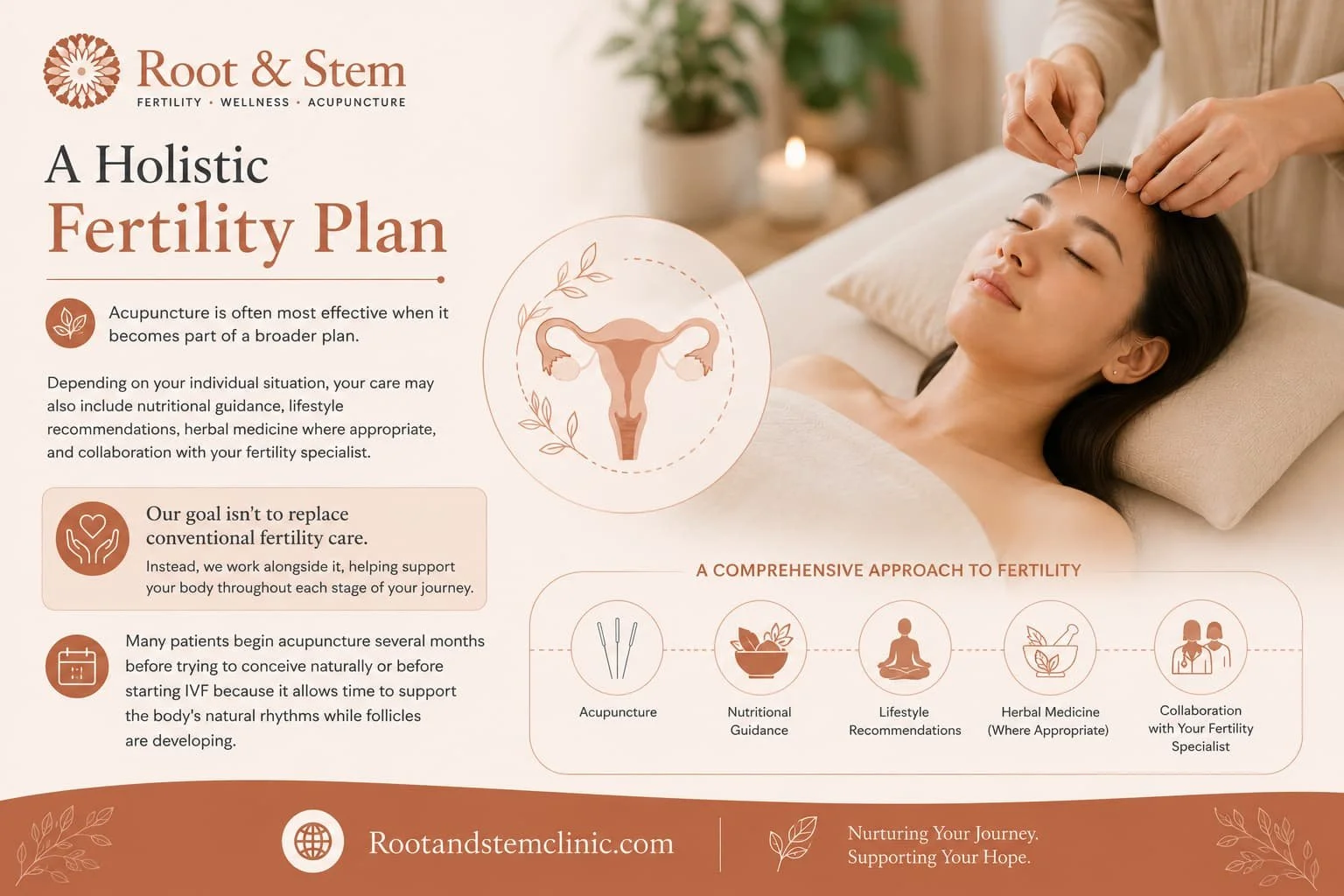
Acupuncture is often most effective when it becomes part of a broader plan.
Depending on your individual situation, your care may also include nutritional guidance, lifestyle recommendations, herbal medicine where appropriate, and collaboration with your fertility specialist.
Our goal isn't to replace conventional fertility care.
Instead, we work alongside it, helping support your body throughout each stage of your journey.
Many patients begin acupuncture several months before trying to conceive naturally or before starting IVF because it allows time to support the body's natural rhythms while follicles are developing.
Supporting Hope With Compassion
Trying to conceive can be one of life's most emotional experiences.
There are moments of optimism, moments of uncertainty, and sometimes moments of disappointment. Throughout it all, it's important to remember that your body is not working against you.
Whether you're exploring fertility naturally or preparing for assisted reproductive treatment, acupuncture offers an opportunity to care for your whole health—not just your fertility.
While no treatment can promise a specific outcome, creating a healthier internal environment is a meaningful investment in your overall well-being.
Sometimes the most important step isn't searching for a quick solution.
It's giving your body the steady, thoughtful support it needs to do what it was designed to do.
With care,
The Root & Stem Clinic Team
Does Acupuncture Help with IVF Success Rates?
Beginning IVF is often filled with equal parts hope and uncertainty.
There are appointments to keep, medications to remember, and countless decisions to make along the way. While the science behind in vitro fertilization continues to advance, many individuals and couples also look for ways to support their overall health throughout the process.
One of the most common questions we hear is:
"Can acupuncture improve my chances of IVF success?"
The answer is thoughtful rather than simple. Acupuncture services is not a guarantee of pregnancy, but growing research suggests it may play a supportive role for some people by helping create healthier conditions for conception while also improving overall well-being during what can be an emotionally demanding journey.
Supporting the Body Throughout the IVF Journey
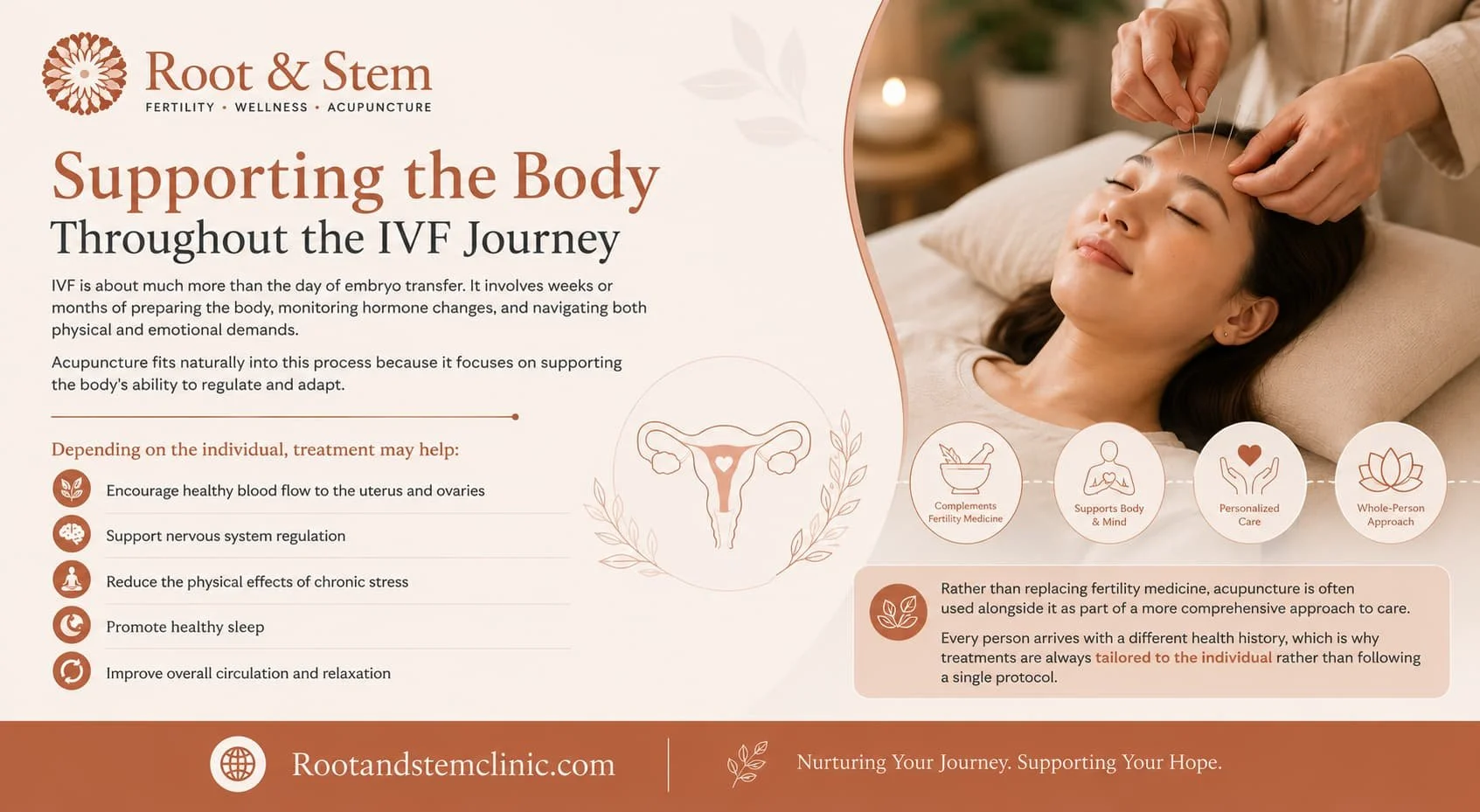
IVF is about much more than the day of embryo transfer. It involves weeks or months of preparing the body, monitoring hormone changes, and navigating both physical and emotional demands.
Acupuncture fits naturally into this process because it focuses on supporting the body's ability to regulate and adapt.
Depending on the individual, treatment may help:
Encourage healthy blood flow to the uterus and ovaries
Support nervous system regulation
Reduce the physical effects of chronic stress
Promote healthy sleep
Improve overall circulation and relaxation
Rather than replacing fertility medicine, acupuncture is often used alongside it as part of a more comprehensive approach to care.
Every person arrives with a different health history, which is why treatments are always tailored to the individual rather than following a single protocol.
Looking Beyond Fertility Alone
One of the reasons we value acupuncture during IVF is that it supports the whole person—not just the reproductive system.
When preparing for pregnancy, we also consider questions like:
How well are you sleeping?
How is your digestion?
Are you feeling constantly stressed or overwhelmed?
Do you have the energy your body needs to support healing?
Are there underlying patterns that may benefit from additional support?
In Traditional Chinese Medicine, these seemingly separate pieces are connected.
A regulated nervous system, healthy digestion, restorative sleep, and balanced circulation all contribute to creating an environment where the body can function at its best.
Many patients tell us that even before they notice changes related to fertility, they begin feeling calmer, more rested, and better equipped to navigate each stage of IVF.
Those improvements matter.
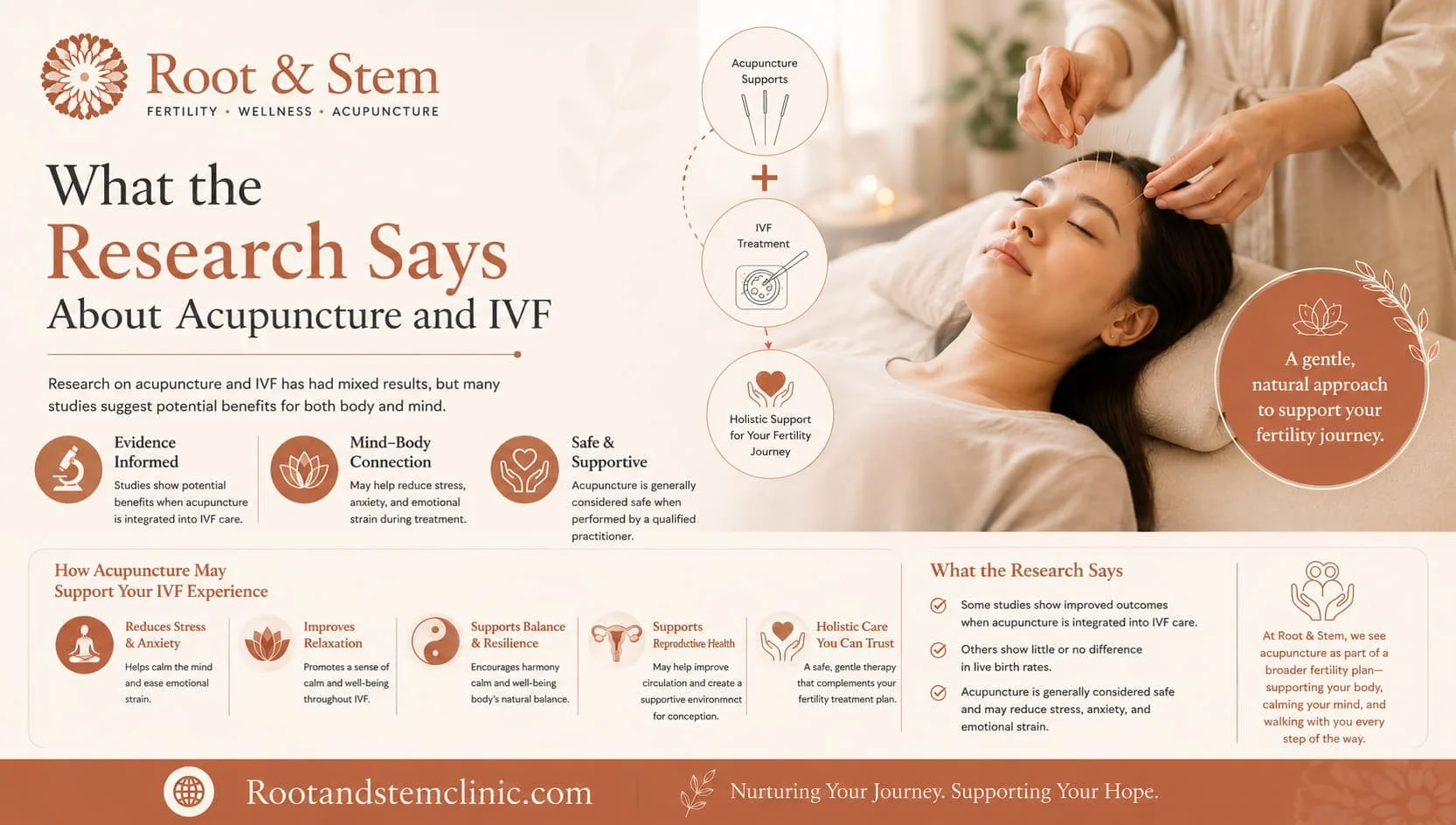
What the Research Says About Acupuncture and IVF
Research into acupuncture and IVF has produced mixed results over the years, largely because studies use different treatment schedules, patient populations, and acupuncture protocols.
Some studies have found improvements in pregnancy outcomes when acupuncture is integrated into IVF care, while others have found little or no difference in live birth rates.
What researchers generally agree on is that acupuncture appears to be safe when performed by a qualified practitioner and may help reduce stress, anxiety, and emotional strain during fertility treatment.
For many people, those benefits alone can make the IVF experience feel more manageable.
Rather than viewing acupuncture as a treatment that "makes IVF work," we see it as one piece of a broader fertility plan—supporting the body, calming the mind, and helping patients move through treatment with greater resilience.
What to Expect if You're Having IVF
If you're considering acupuncture alongside IVF, it's often helpful to begin several weeks or even months before treatment whenever possible.
Your care plan may be adjusted to match the different phases of your fertility journey, including ovarian stimulation, egg retrieval, embryo transfer, and early pregnancy support if appropriate.
Each appointment is designed around your unique needs.
Some sessions may focus on relaxation and stress regulation. Others may emphasize circulation, hormone balance, or supporting recovery between stages of treatment.
Our goal is always to complement the care you're already receiving from your fertility specialist while helping you feel supported throughout the process.
Caring for Yourself Along the Way
An IVF journey asks a great deal of both body and mind.
While no complementary therapy can promise a particular outcome, creating space to care for yourself throughout the process is never time wasted.
Acupuncture offers an opportunity to slow down, reconnect with your body, and support your overall well-being while you navigate each next step.
Whether you're just beginning to explore fertility treatment or you're preparing for another IVF cycle, we're here to help you build a plan that supports your health with compassion, evidence-informed care, and a whole-person perspective.
With care,
The Root & Stem Clinic Team
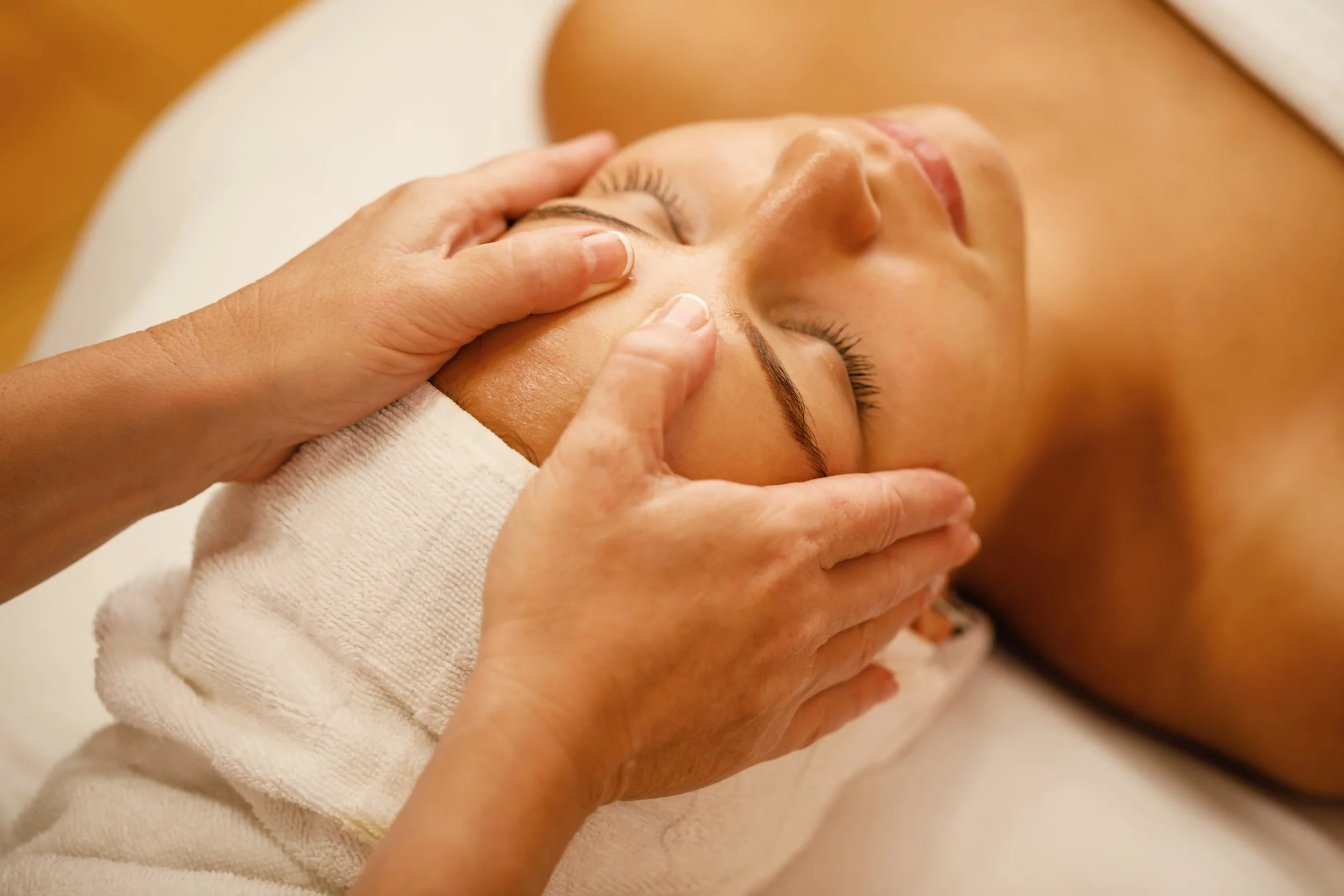
Why More People Are Searching for Facial Acupuncture in Nevada City
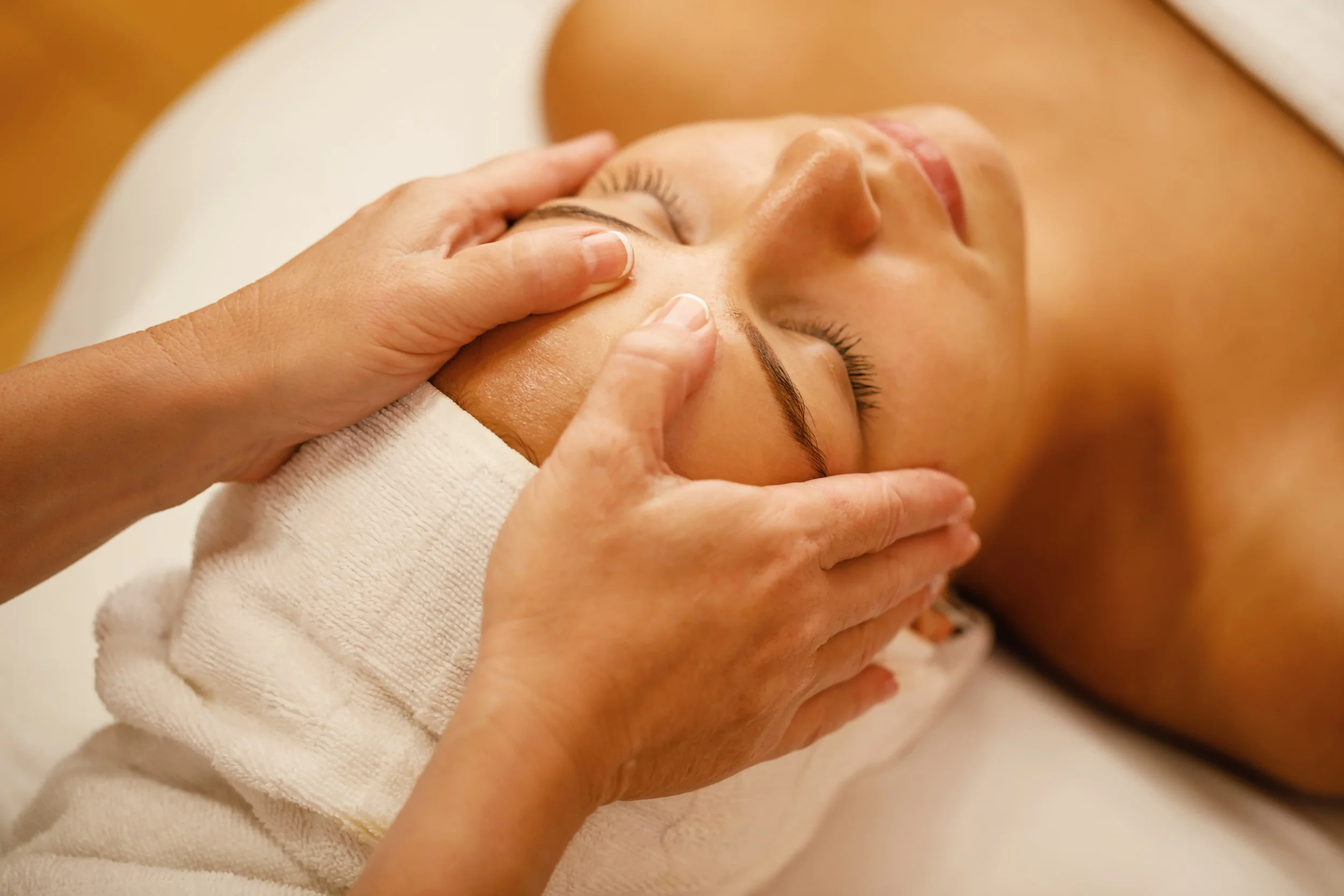
There’s a noticeable shift happening in the way people approach aging and skincare.
Increasingly, people are moving away from aggressive cosmetic procedures and looking for treatments that feel natural, supportive, and aligned with overall wellness.
They still want healthy, radiant skin.
But they also want to feel like themselves.
That’s one reason interest in Facial Acupuncture Nevada City continues to grow. People are discovering that skin rejuvenation doesn’t have to come from forcing change—it can come from supporting the body more deeply.
Facial Acupuncture vs. Botox and Fillers
Botox and fillers are designed to alter the appearance of the skin quickly by freezing muscles or adding volume beneath the surface.
Facial acupuncture works differently.
Rather than restricting movement or artificially filling space, it encourages the body’s own regenerative processes. Tiny needles stimulate circulation, collagen production, and cellular repair while also supporting the nervous system and overall balance.
The goal isn’t to erase expression.
It’s to restore vitality.
Many people are drawn to facial acupuncture because the results tend to look softer and more natural over time. Instead of appearing dramatically altered, they simply look more rested, lifted, and vibrant.
Skin Health Goes Beyond Aesthetics
One of the most beautiful things about facial acupuncture is that its benefits extend beyond appearance alone.
Because the treatment supports circulation, stress regulation, and internal balance, patients often notice improvements such as:
Better sleep
Reduced jaw tension
Less stress held in the face and body
Improved energy
A calmer nervous system
In Eastern medicine, the face reflects what’s happening internally. Dullness, puffiness, dryness, or tension are often viewed as signals—not flaws.
When we support the body as a whole, the skin often responds naturally.
The Anti-Inflammatory Effect of Facial Acupuncture
Inflammation plays a significant role in how the skin ages.
Stress, poor sleep, environmental factors, and nervous system overload can all contribute to inflammation that affects texture, tone, and elasticity.
Facial acupuncture helps by:
Increasing circulation and oxygenation
Supporting lymphatic movement
Relaxing chronically tense muscles
Calming the stress response
This creates an environment where the skin can repair more efficiently.
Many patients notice that their skin feels calmer, less reactive, and more balanced after a series of treatments—not because something artificial was added, but because inflammation was reduced and healing processes were supported.
What to Expect During a Session
For first-time patients, one of the biggest surprises is how relaxing facial acupuncture feels.
Treatment usually begins with a conversation about your skin, stress levels, sleep, lifestyle, and overall health. From there, very fine needles are placed along the face and body to support both cosmetic and internal balance.
Many people drift into a deeply restful state during treatment.
Afterward, it’s common to notice:
A healthy glow
Softer facial tension
Increased hydration and circulation
A sense of calm and groundedness
Results build gradually over time, with consistency creating the most noticeable shifts.
A Different Relationship With Aging
Facial acupuncture offers something many people have quietly been searching for: a way to care for their appearance without disconnecting from themselves in the process. A Facial Acupuncture Special can make this holistic approach even more accessible for those exploring natural skin rejuvenation.
It invites a slower, more sustainable relationship with aging—one rooted in nourishment rather than correction.
And for many, that shift feels just as transformative as the physical results themselves.
With care,
The Root & Stem Clinic Team
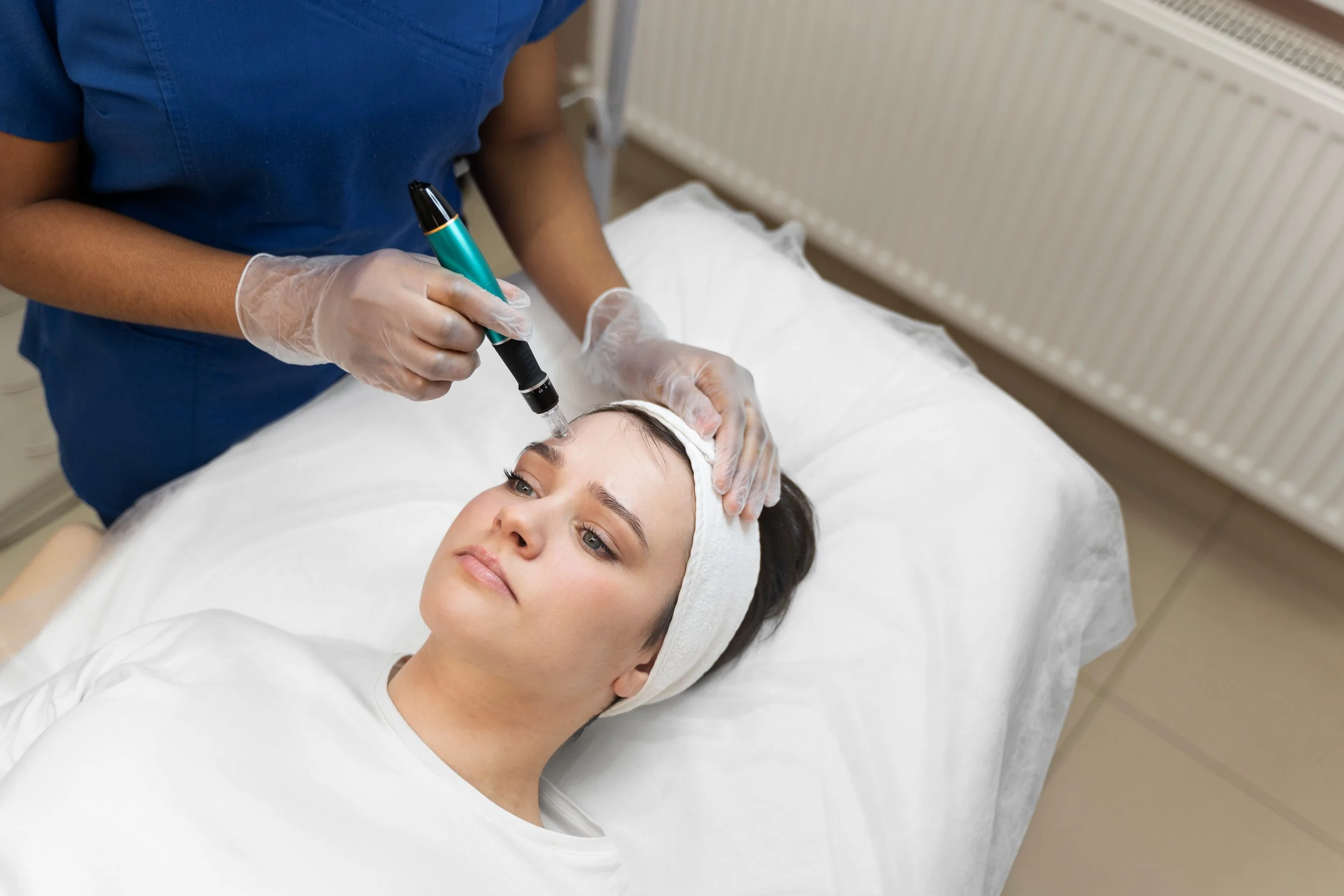
Microneedling in Oakland CA: A Holistic Approach to Skin Renewal
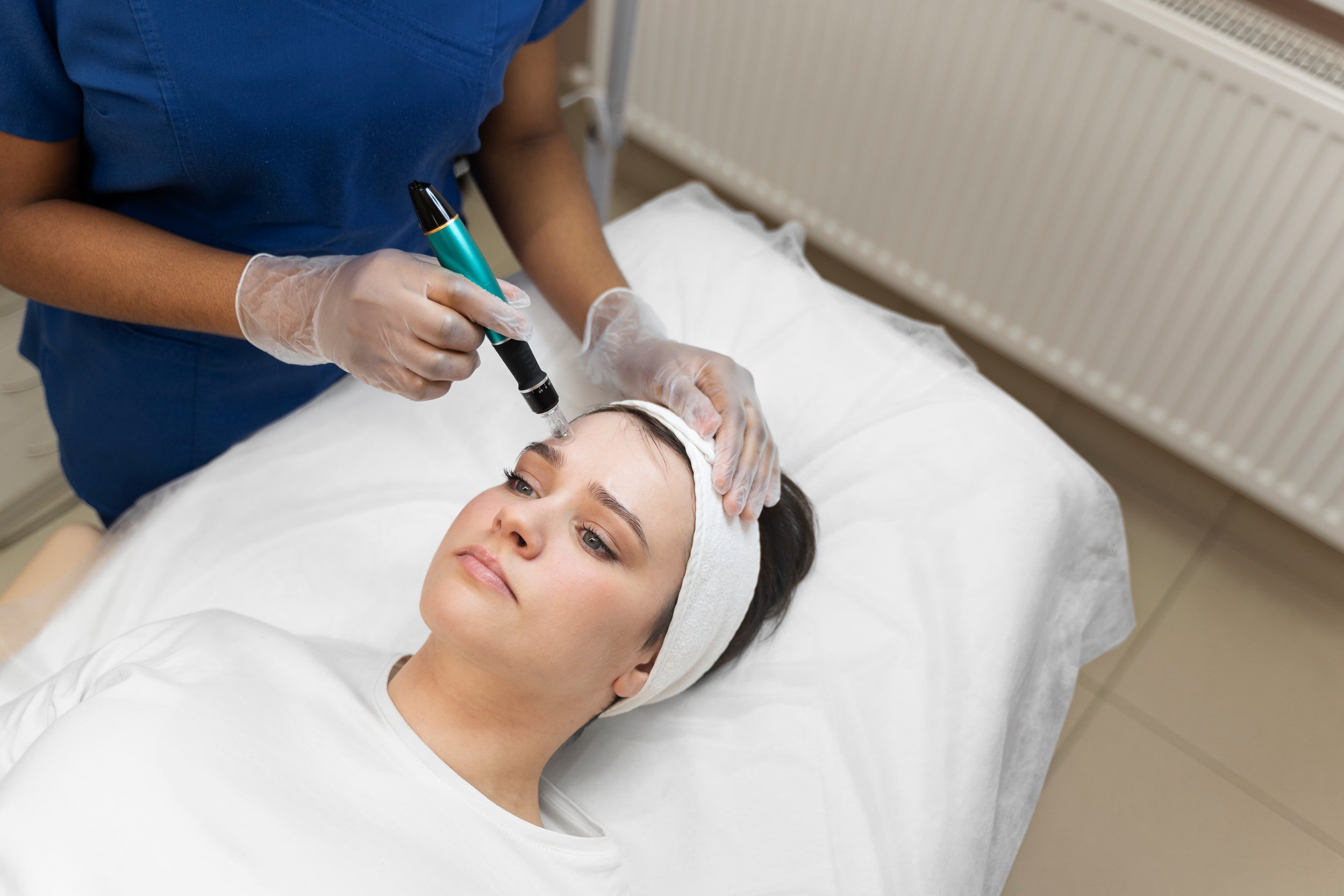
There’s something deeply personal about skin.
It reflects stress, sleep, nourishment, hormones, and the pace at which we move through life. Over time, many people begin noticing subtle changes—texture that feels uneven, fine lines that linger longer, or skin that no longer carries the same brightness it once did.
And while there are countless cosmetic treatments promising fast results, more people are looking for approaches that feel supportive rather than aggressive.
Microneedling in our Oakland clinic offers a way to encourage renewal naturally working with the body’s own healing processes instead of forcing change from the outside in.
Understanding the Basics of Microneedling
Microneedling is a treatment that uses very fine needles to create tiny microchannels in the skin.
These controlled micro-injuries stimulate the body’s natural repair response, encouraging:
Collagen production
Elastin formation
Cellular turnover
Improved circulation
As the skin repairs itself, texture and tone gradually improve.
The treatment is commonly used to support:
Fine lines and early signs of aging
Acne scarring
Uneven texture
Enlarged pores
Dull or tired-looking skin
What makes microneedling unique is that the skin is not being artificially altered—it’s being encouraged to regenerate itself.
Why Eastern Medicine Enhances the Results
At our clinic, we rarely view skin in isolation.
Eastern medicine teaches that the face reflects what’s happening internally. Stress, inflammation, digestion, circulation, and nervous system health all influence how the skin functions and heals.
This is why combining microneedling with acupuncture and holistic care at an Oakland Acupuncture Clinic often creates more sustainable results.
Supporting the body internally may help:
Improve circulation and nutrient delivery
Reduce inflammation
Calm stress-related skin flare-ups
Enhance healing and recovery
Support overall vitality
Rather than focusing only on the surface, we support the systems underneath the skin as well.
That layered approach often creates changes that feel more natural and long-lasting.
Skin Concerns Commonly Treated
Microneedling is now more accessible and can be supportive for a wide range of skin concerns, especially when approached gradually and consistently.
Some of the most common include:
Fine lines and wrinkles
Acne scars
Uneven skin texture
Sun damage
Hyperpigmentation
Mild skin laxity
It’s also popular for people who simply want their skin to feel brighter, healthier, and more refreshed without pursuing invasive procedures.
How Many Sessions Are Usually Recommended?
Skin renewal takes time.
While some people notice an initial glow after one session, collagen remodeling happens gradually beneath the surface over several weeks.
Most treatment plans involve:
A series of sessions spaced several weeks apart
Maintenance treatments over time
Supportive home care and lifestyle practices
The ideal number of treatments depends on your skin, goals, and how deeply the tissue needs to repair.
This process is less about quick transformation and more about creating steady, healthy change that continues building over time.
Supporting Skin From the Inside Out
Healthy skin is not only about appearance.
It’s often a reflection of how supported the body feels overall.
When we slow down and nourish the systems connected to healing—circulation, stress regulation, rest, nourishment—the skin frequently responds in ways that feel both visible and deeply sustainable.
Microneedling can be a powerful part of that process, especially when approached holistically and with patience.
With care,
The Root & Stem Clinic Team
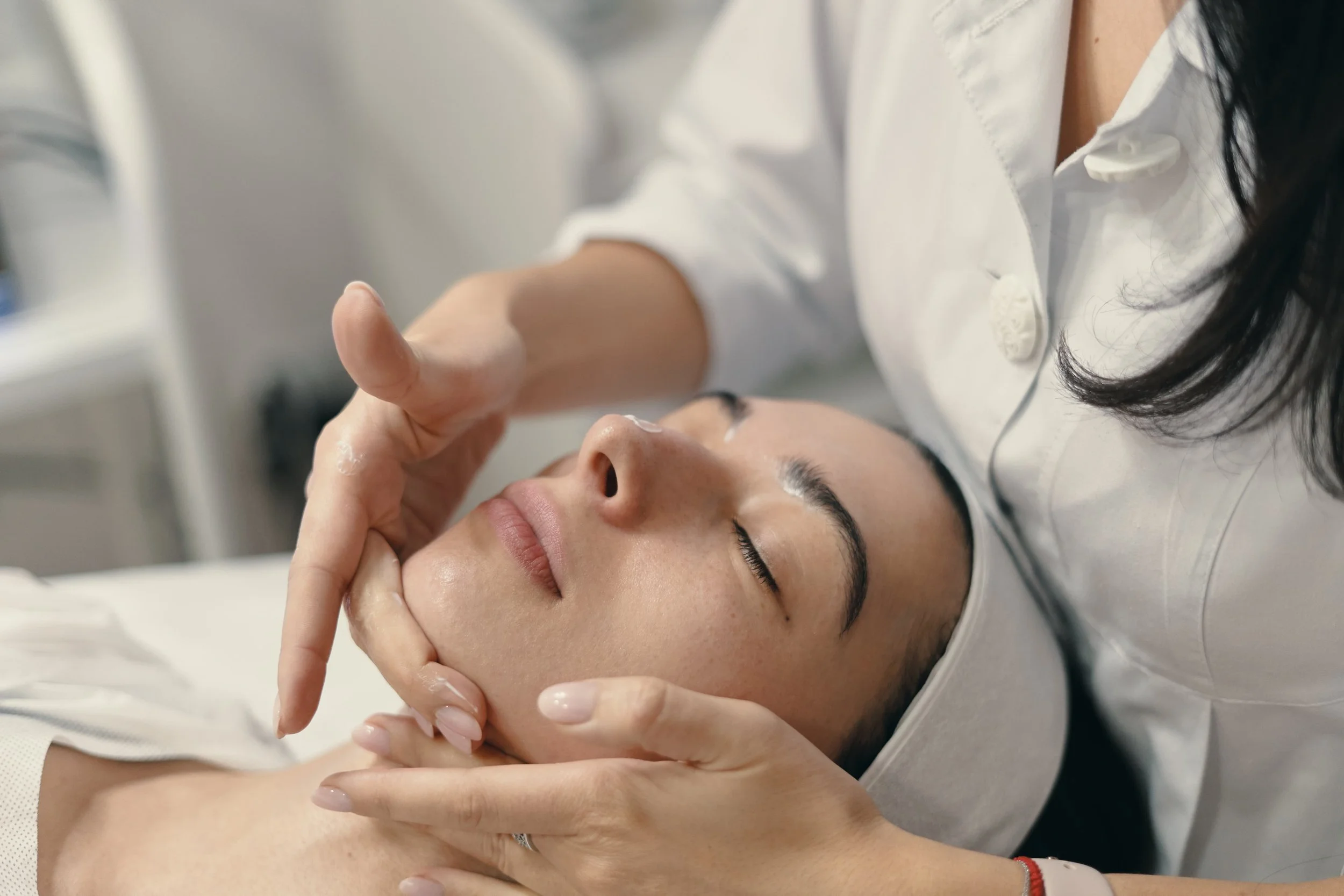
The Benefits of Skin Rejuvenation Treatment in Oakland for Natural, Radiant Skin
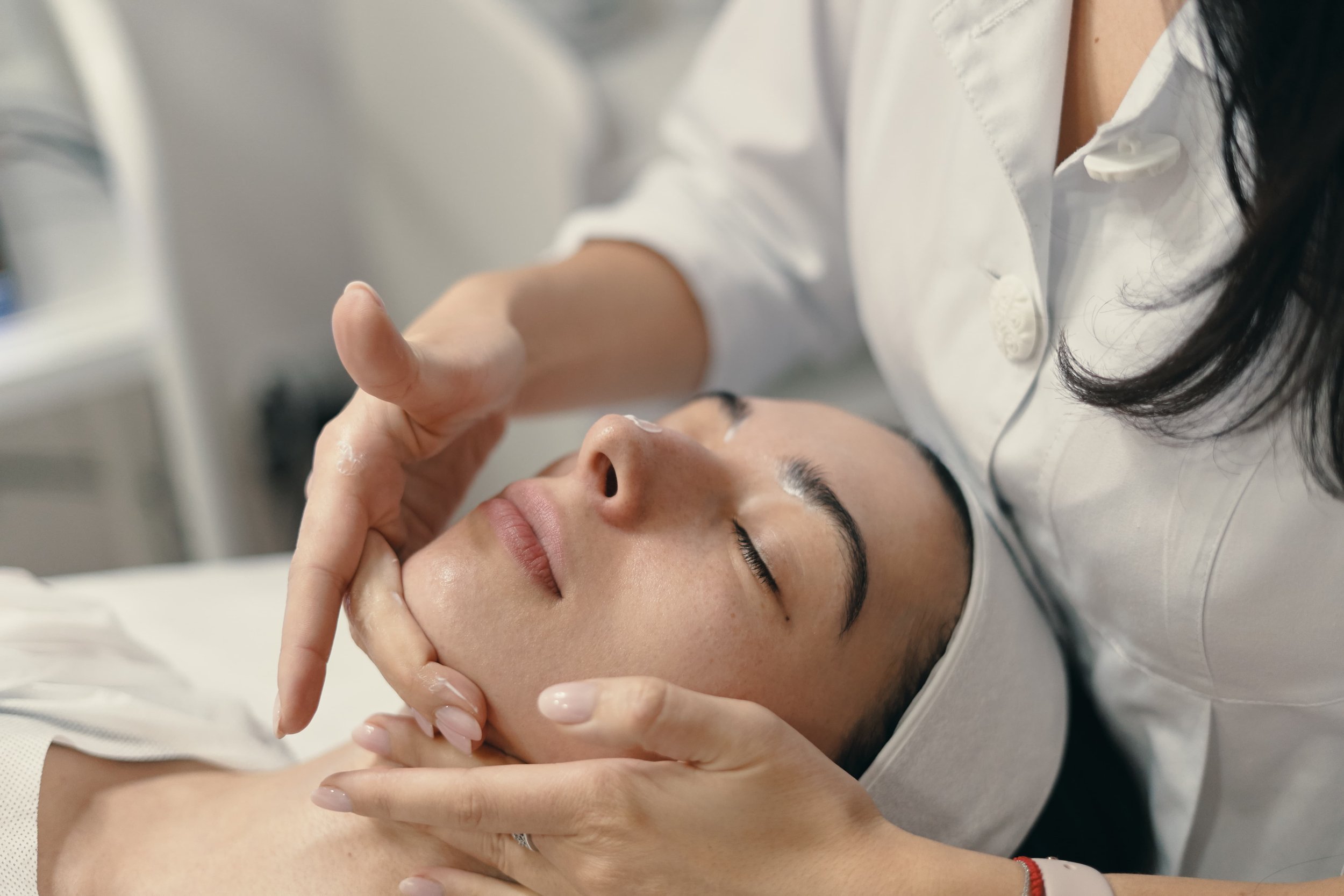
There’s a moment that often catches people off guard.
A glance in the mirror.
A subtle shift in the skin.
A feeling that something looks… different.
Not wrong. Not alarming. Just different.
For many, it’s not about chasing youth—it’s about feeling aligned again. About looking the way you feel inside: vibrant, rested, and well.
That’s where a more thoughtful approach to Skin Rejuvenation Treatment begins—not by changing the face, but by supporting the systems beneath it.
Why Natural Approaches Matter
Your skin is not separate from your body.
It reflects what’s happening internally—circulation, stress, digestion, hormones, sleep.
When we only treat the surface, results can feel temporary.
When we support the body, changes tend to last longer—and feel more authentic.
Natural skin rejuvenation focuses on:
Supporting collagen production, rather than forcing it
Improving circulation and nutrient delivery
Reducing inflammation
Encouraging balance across systems
It’s a slower approach, but often a more sustainable one.
A Whole-System Approach to Skin Health
At our clinic, skin rejuvenation isn’t one treatment—it’s a combination of supportive therapies working together.
Acupuncture helps improve circulation, reduce tension, and support the nervous system. Many people notice a natural brightness and softness in their skin after treatments.
Microneedling works more directly at the surface, stimulating collagen and encouraging skin renewal. It helps improve texture, tone, and elasticity over time.
Herbal support can nourish from within—supporting blood building, hydration, and overall vitality.
Lifestyle patterns—like sleep, stress levels, and digestion—play a quiet but powerful role. Even small shifts here can influence how the skin looks and feels.
Together, these approaches create change from both the inside and outside.
What Results Can You Realistically Expect
Natural skin rejuvenation is not about instant transformation.
It’s about gradual, meaningful change.
Most people notice:
A brighter, more even complexion
Softer fine lines
Improved texture
Reduced puffiness or tension
A subtle, healthy glow
The results often build over time.
Instead of a sudden shift, it feels more like your skin is returning to itself—steadily, gently, and in a way that still looks like you.
Who Is a Good Candidate
You don’t need to wait for significant signs of aging to begin caring for your skin this way.
This approach is well-suited for those who:
Prefer natural, non-invasive treatments
Want to support long-term skin health
Are noticing early or gradual changes
Feel their skin reflects stress or fatigue
Are looking for a more holistic option
It’s also ideal for those who want their treatments to align with how they care for the rest of their body—thoughtfully, and with intention.
Read more: How Acupuncture Transforms the Aging Process for Skin Rejuvenation
A Different Way of Looking at Skin
Your skin isn’t something to fix.
It’s something to support.
When we shift from correcting to nourishing, the process feels different.
Less urgent. More sustainable.
And often, more effective over time.
With care,
The Root & Stem Clinic Team
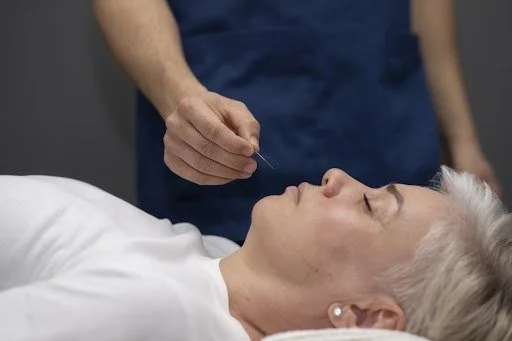
How Acupuncture Transforms the Aging Process for Skin Rejuvenation
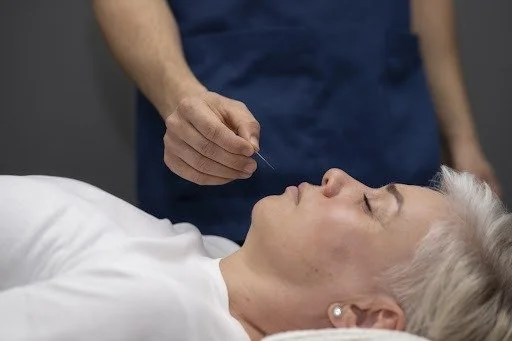
There’s a quiet shift that happens over time.
The skin begins to change—subtly at first.
A little less elasticity.
A little more fatigue in the reflection looking back.
For many, the instinct is to correct, tighten, or reverse these changes as quickly as possible.
But there’s another approach.
One that asks a different question:
What if aging isn’t something to fight… but something to support more wisely?
That’s the foundation of Skin Rejuvenation Therapy —working with the body, rather than against it.
Holistic vs. Conventional Cosmetic Treatments
Conventional cosmetic treatments often focus on the surface.
They aim to smooth, fill, or tighten—sometimes effectively, but often without addressing why the skin has changed in the first place.
A holistic approach looks deeper.
It considers:
Circulation and nutrient delivery
Stress and nervous system regulation
Sleep quality and recovery
Hormonal balance
Inflammation and digestion
Instead of forcing the skin to appear different, we support the conditions that allow it to function optimally.
The goal isn’t perfection.
It’s vitality.
How Collagen Stimulation Really Works
Collagen is often talked about as something we “lose” with age.
But the body doesn’t simply stop producing it—it becomes less efficient due to changes in circulation, nutrient availability, and cellular communication.
When we stimulate collagen naturally, we’re encouraging the body to return to processes it already knows how to do.
Acupuncture and microneedling both support this process by:
Increasing blood flow to the skin
Activating the body’s natural repair response
Encouraging cellular turnover
Supporting elasticity and structure
This is not about forcing collagen production.
It’s about reminding the body how to rebuild.
The Power of Combining Facial Acupuncture and Microneedling
Each treatment offers something unique.
Facial acupuncture works systemically.
It improves circulation, reduces tension, and supports the nervous system—creating the internal conditions for healthy skin.
Microneedling works more directly at the surface.
It stimulates collagen production and refines skin texture.
When combined, they create a layered effect:
Internal balance + external renewal
Relaxation + regeneration
Circulation + structure
The result is often a more natural, sustained improvement—one that reflects overall health, not just cosmetic change.
What to Expect Over Time
Natural skin rejuvenation doesn’t create overnight transformations.
Instead, it unfolds gradually.
In the early stages, many people notice:
A brighter complexion
Improved hydration
A softer, more relaxed appearance
With continued treatments:
Fine lines may soften
Skin texture becomes smoother
Tone and elasticity improve
The overall appearance feels more refreshed
What stands out most is that the results still look like you—just more rested, more vibrant, more aligned.
A More Sustainable Way to Age
Aging is not something to correct.
It’s something to move through with support.
When we shift the focus from quick fixes to long-term vitality, the experience changes.
It becomes less about chasing results…
and more about creating balance.
That’s where lasting change begins.
With care,
The Root & Stem Clinic Team
Why Single Hormone Tests Miss the Complete Picture
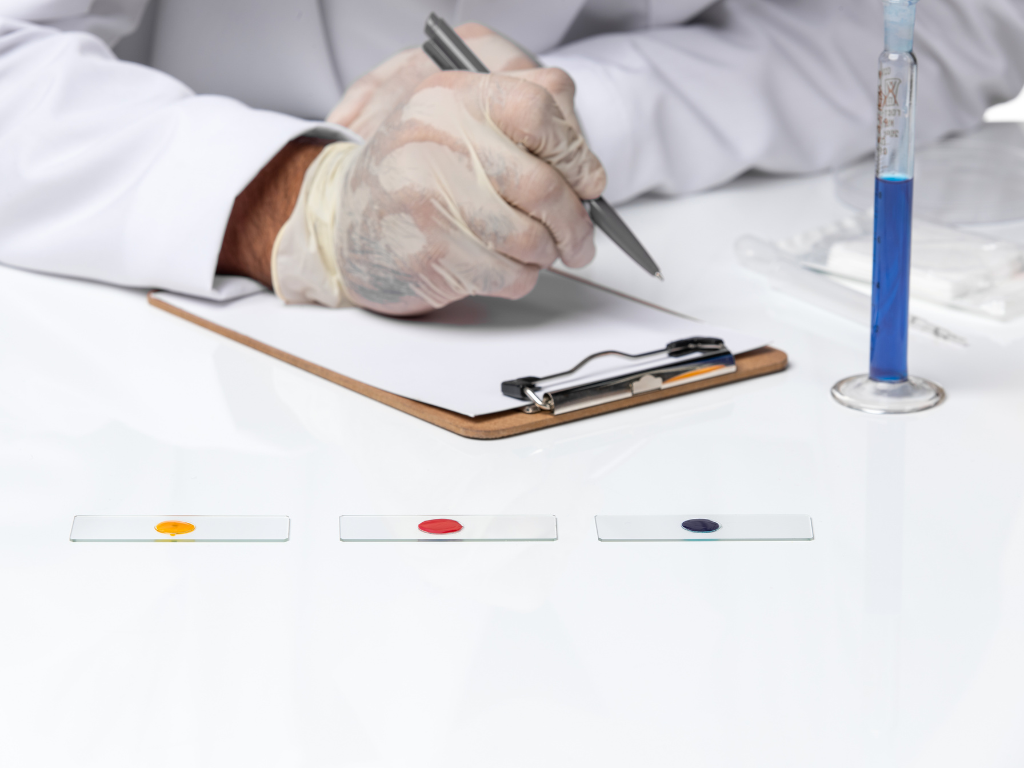
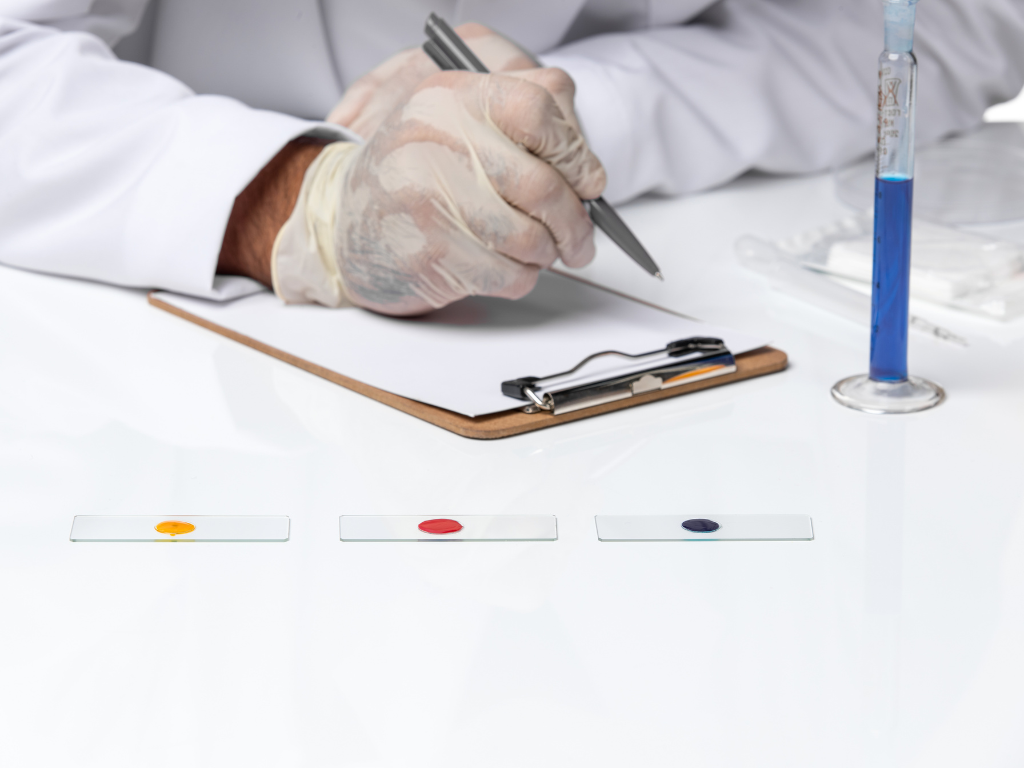
A single hormone test is a bit like checking the weather at noon and assuming you understand the entire day’s forecast.
It gives you one data point.
But it doesn’t tell you the full story unfolding over time.
We see this often.
Someone comes in with lab results showing everything is “within normal range.” And yet, they’re navigating irregular cycles, painful periods, fertility challenges, mood shifts, or persistent fatigue.
They’ve been told nothing is wrong.
But their lived experience says otherwise.
The issue isn’t that hormone testing is useless.
It’s that a single snapshot cannot capture a dynamic, constantly shifting system.
Why “Normal Range” Doesn’t Always Mean Balanced
Hormones are not static.
They rise, peak, fall, and recalibrate in a carefully timed rhythm throughout your cycle.
When we test estrogen or progesterone once, we’re capturing a single moment—not the arc of what that hormone is doing before or after that point.
For example:
Estrogen may appear “normal,” but did it rise high enough to trigger ovulation?
Progesterone may test “adequate,” but was it measured at the correct time in the cycle?
Is the luteal phase long enough to support implantation?
Individual numbers might fall within range.
But relationships between hormones—especially the estrogen-to-progesterone ratio—may be imbalanced.
It’s possible to have all the right ingredients…
but in the wrong proportions.
What Cycle Mapping Reveals That Single Tests Miss
Instead of one isolated lab value, cycle mapping looks at hormones across multiple points in your menstrual cycle.
This allows us to see:
When estrogen begins to rise
Whether ovulation is occurring—and when
How progesterone responds
The length and strength of the luteal phase
Many women assume ovulation happens mid-cycle. When we track more closely, we often discover it occurs earlier, later, or inconsistently.
If progesterone is tested assuming ovulation happened on day 14—but ovulation actually occurred on day 18—the results can be misleading.
Timing matters.
Cycle mapping gives us the rhythm of the body, not just a number.
The Yin–Yang Framework and Hormone Balance
In Traditional Chinese Medicine, health is not defined by isolated values. It’s defined by balance and relationship.
Estrogen carries more yin qualities—nourishing, building, creating substance.
Progesterone carries more yang qualities—warming, activating, transforming.
Both are necessary.
Neither functions well alone.
Hormonal imbalance is often not about deficiency of one hormone, but about imbalance between them.
From this perspective, we move away from asking,
“Is this number normal?”
and instead ask,
“Is this system in harmony?”
That shift changes everything.
What Pulse Diagnosis Reveals That Labs Cannot
Alongside cycle mapping, we use pulse and tongue diagnosis.
The pulse tells us about:
Blood quality
Digestive strength
Yang warmth
Energy movement
A patient may have adequate estrogen on paper. But if their digestion is weak and nutrients aren’t being absorbed properly, their body may not be building the internal “blood” and substance required for optimal hormone function.
A thin pulse may reveal blood deficiency.
A slow pulse may reveal yang deficiency.
A weak middle pulse may show digestive compromise.
These patterns don’t appear on standard hormone panels.
But they directly influence how hormones are produced, metabolized, and utilized.
Why We Treat Foundational Systems First
Rather than manipulating hormones directly, we focus on strengthening the systems that create and regulate them.
That often means:
Supporting digestion and nutrient absorption
Building blood and foundational energy
Regulating stress response
Improving sleep quality
We frequently use phase-based herbal formulas tailored to each stage of the menstrual cycle.
For example:
During menstruation, formulas may focus on rebuilding blood.
During the follicular phase, herbs may support yin and estrogen building.
During the luteal phase, formulas may gently support yang and progesterone activity.
This approach honors the body’s rhythm instead of forcing change.
When foundational systems strengthen, hormones often recalibrate naturally.
Why Symptoms Matter More Than Numbers
One of the most important truths we’ve learned is this:
Symptoms are data.
If someone feels exhausted, depleted, emotionally reactive, or disconnected from their cycle—even with “normal” labs—that information matters.
We trust symptom improvement as a leading indicator.
When someone begins sleeping better…
digesting more easily…
feeling steadier emotionally…
That tells us foundational healing is happening.
Hormones are downstream messengers. They reflect what’s already occurring at the cellular level. Often, internal repair begins before lab values noticeably shift.
Healing happens from the inside out.
The Deeper Transformation
Over time, something else begins to change.
Patients stop seeing their bodies as broken.
They begin to recognize patterns.
They feel more literate in their own cycles.
Instead of reacting to symptoms, they start understanding them.
That shift—from frustration to partnership—is profound.
Yes, cycles regulate.
Yes, hormone data improves.
But the deeper healing is relational.
Trust returns.
A Broader Perspective on Hormone Health
“Normal” does not always mean optimal.
And it certainly does not always mean balanced.
Hormones are cyclical, relational, and deeply interconnected with digestion, stress, sleep, and nourishment.
Understanding them requires more than a single snapshot.
It requires pattern recognition.
Context.
And a willingness to look deeper.
When we do, the body often reveals exactly what it has been trying to say all along.
With care,
The Root & Stem Clinic Team

When Your Body Is Asking for a Deeper Look, Consider Functional Medicine

There’s a moment many people reach in their health journey where something doesn’t quite add up.
You’ve adjusted your diet.
You’ve tried supplements.
You’ve run labs.
And yet, you still don’t feel like yourself.
Maybe your energy crashes mid-afternoon.
Maybe your digestion feels unpredictable.
Maybe your hormones seem to shift without warning.
When symptoms linger without clear answers, it’s often your body asking for a deeper look.
That’s where exploring Functional Medicine in Oakland can open a new doorway—one rooted in curiosity rather than quick fixes.
Who Benefits from Functional Medicine
Functional medicine isn’t just for complex diagnoses. It’s for people who sense their health story hasn’t been fully heard.
We often work with individuals who are:
Living with persistent fatigue
Navigating hormone imbalances
Struggling with digestive discomfort
Experiencing chronic stress or burnout
Managing inflammatory or autoimmune patterns
Feeling “fine” on paper but unwell in reality
These are not random, isolated issues.
They’re interconnected signals from a system that needs support.
Functional medicine is especially helpful for those who want to understand why symptoms are happening—not just how to suppress them.
Why Symptoms Often Have Hidden Root Causes
Symptoms rarely begin where they appear.
Hormone imbalances may trace back to chronic stress.
Digestive issues may be linked to nervous system dysregulation.
Skin flare-ups may reflect inflammation or nutrient depletion.
Brain fog may relate to blood sugar instability or sleep disruption.
The body compensates quietly for a long time.
Eventually, it stops whispering and starts speaking louder.
Functional medicine asks broader questions:
What patterns led here?
What systems are influencing each other?
What foundational processes need support?
Instead of isolating symptoms, we look at the terrain they arise from.
Example Patterns We Frequently See
Over time, certain themes emerge.
For example:
A patient with irregular cycles may also have digestive weakness and elevated stress markers.
Someone with chronic fatigue may show patterns of blood sugar instability and poor sleep quality.
A person with persistent pain may have underlying inflammation compounded by nervous system overload.
None of these systems function independently.
When we look at the full picture, care becomes more precise—and often more effective.
How to Begin a Functional Medicine Journey
Starting doesn’t require a dramatic overhaul.
It begins with conversation.
We take time to understand your history, daily rhythms, stress levels, nourishment, and goals. From there, we build a plan that feels sustainable and individualized.
That may include:
Targeted lab exploration
Nutritional support
Nervous system regulation
Herbal or supplemental guidance
Lifestyle shifts aligned with your capacity
Small adjustments, implemented consistently, often create meaningful change.
Healing rarely happens through force.
It happens through alignment.
Paying Attention Is Powerful
If you’ve felt that something deeper is going on beneath your symptoms, that instinct is worth honoring.
The body is rarely random.
It adapts, compensates, and communicates.
Functional Medicine in our Oakland clinic offers a way to slow down, trace patterns, and support the systems that quietly hold everything together.
Sometimes the most transformative step isn’t adding more—it’s looking deeper.
With care,
The Root & Stem Clinic Team

How Our Oakland Acupuncture Clinic Approaches Whole-Body Healing
Many people arrive at our clinic with a similar feeling—
a sense that something is off, even if they can’t quite name it.
They’ve tried addressing symptoms one at a time.
They’ve followed recommendations.
And yet, their body keeps asking for more nuanced care.
That’s often where whole-body healing begins: not with a diagnosis, but with listening.
At our Oakland Acupuncture Clinic, we believe healing happens when the full story is acknowledged—physical, emotional, and internal. Not rushed. Not fragmented. Just thoughtfully understood.
The Philosophy That Guides Our Care
Our philosophy is simple, but deeply intentional:
The body is intelligent, interconnected, and always communicating.
Rather than asking, “What’s wrong?” we start with, “What’s your body trying to say?”
Every system affects the next—stress influences digestion, digestion affects energy, energy impacts mood, and mood shapes the nervous system. When we treat only one piece, balance remains elusive.
Whole-body healing honors the reality that health is layered.
And meaningful change takes place when those layers are supported together.
Where Eastern Medicine Meets Functional Medicine
Eastern medicine has always understood patterns.
Functional medicine helps us understand mechanisms.
By integrating both, we’re able to care for the body in a way that feels grounded, informed, and deeply personal.
Acupuncture helps regulate the nervous system, circulation, and energy flow.
Functional medicine allows us to explore root causes—nutrient status, inflammation, hormonal patterns, and stress responses.
Together, they offer:
A deeper understanding of why symptoms appear
More precise, individualized treatment plans
Support that addresses both internal balance and physical expression
This integration allows us to move beyond symptom management and into meaningful, lasting support.
Conditions We Commonly Support
Because we approach care holistically, many concerns overlap and influence one another. Some of the most common reasons people seek care include:
Chronic stress and burnout
Hormonal imbalance
Digestive discomfort
Sleep disturbances
Persistent pain or tension
Fatigue and brain fog
Emotional overwhelm
What these experiences often share is a nervous system asking for regulation—and a body ready for support once it’s given the chance.
What Patient Progress Often Looks Like
Healing rarely happens all at once.
Instead, it unfolds gradually—and often more gently than expected.
Patients frequently tell us they notice:
Deeper, more restorative sleep
Improved energy without crashes
Less reactivity to stress
Subtle but meaningful emotional shifts
A renewed sense of connection to their bodies
One patient described it as “feeling steadier, even when life stays busy.”
Another shared that they no longer felt like they were “constantly catching up” with their health.
These aren’t overnight transformations.
They’re signs of the body returning to balance.
Moving Forward, Thoughtfully
If you’re seeking care that respects the complexity of your experience, know that whole-body healing doesn’t require force or urgency.
It begins with attention.
With curiosity.
With choosing support that sees you as more than a set of symptoms.
That’s the approach we bring to every treatment—one conversation, one session, one step at a time.
With care,
The Root & Stem Clinic Team
Functional Medicine: When Your Body Is Asking for a Deeper Look

There’s a point many people reach in their health journey where the answers stop feeling complete.
Lab work comes back “normal.”
Treatments help… a little.
Symptoms persist, shift, or return in new ways.
That moment isn’t a failure of effort or care.
Often, it’s simply your body asking for a deeper conversation.
This is where exploring Functional Medicine near Oakland can feel like a turning point—not because it promises quick fixes, but because it invites understanding.
Who Benefits From Functional Medicine
Functional medicine is especially supportive for people who sense that something beneath the surface hasn’t yet been addressed.
Many who benefit are:
Managing ongoing fatigue or burnout
Experiencing hormonal shifts or cycle changes
Living with digestive discomfort
Navigating chronic stress or inflammation
Feeling “off” without a clear explanation
Rather than treating these experiences in isolation, functional medicine looks for the common threads connecting them.
Why Symptoms Often Have Hidden Root Causes
Symptoms rarely appear out of nowhere.
They tend to emerge when the body has been compensating for some time.
Stress, nutrient depletion, inflammation, sleep disruption, and emotional strain can quietly accumulate until the system reaches a threshold. What shows up on the surface—fatigue, pain, anxiety, skin changes—is often the body’s final attempt to be heard.
Functional medicine asks different questions:
When did this begin?
What changed beforehand?
How do multiple systems interact here?
By tracing symptoms back to their origins, we create space for real, sustainable support.
Example Patterns We Often See
While every person’s story is unique, certain patterns tend to repeat.
For example:
Persistent fatigue connected to long-term stress and nutrient depletion
Digestive issues paired with inflammatory or hormonal imbalances
Mood shifts linked to blood sugar instability or poor sleep quality
Pain patterns influenced by nervous system dysregulation
Seeing these patterns clearly allows care to become more precise, compassionate, and effective.
Beginning a Functional Medicine Journey
Starting functional medicine doesn’t mean committing to an overwhelming process.
It begins with curiosity and a willingness to look beneath the surface.
The first step is often a detailed conversation—one that explores your health history, lifestyle, stressors, and goals. From there, care unfolds thoughtfully, with small, intentional adjustments that support your body’s natural capacity to recalibrate.
Healing isn’t about chasing perfection.
It’s about creating conditions where balance can return.
Listening Is the First Step
If your body has been quietly—or persistently—asking for attention, consider this an opportunity to respond with care rather than urgency.
Functional medicine offers a way to listen more closely, understand more fully, and move forward with intention.
With care,
The Root & Stem Clinic Team

How our Nevada City Acupuncturist Treats Stress, Fatigue, and Hormone Imbalance
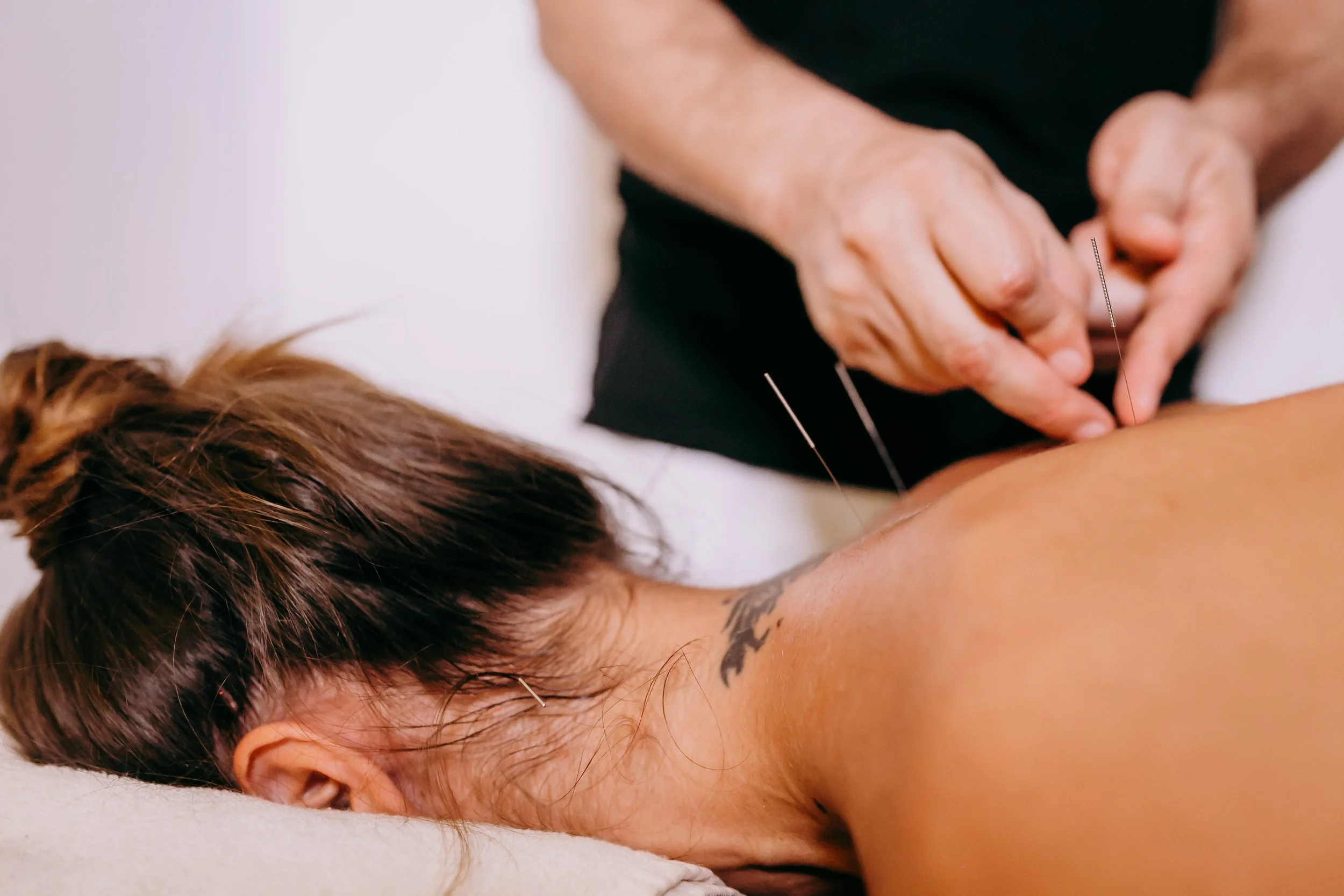
There’s a kind of exhaustion that sleep doesn’t fix.
The kind where coffee helps for an hour… and then doesn’t.
We see it often—people who are doing “everything right” but still feel depleted, foggy, or emotionally stretched thin. Stress hums constantly in the background. Energy feels unpredictable. Hormones feel… off.
What’s powerful is this:
These experiences aren’t random—and they’re not signs of failure.
They’re signals.
And listening to those signals is where acupuncture shines.
Modern Stress, Ancient Solutions
Our bodies were never designed to live in constant “on” mode.
Yet modern life keeps us there—emails, notifications, responsibilities, expectations. Over time, the nervous system adapts by staying alert… even when it desperately needs rest.
This is where working with an Acupuncturist in Nevada City can feel surprisingly grounding.
Acupuncture gently signals the nervous system to shift out of fight-or-flight and into repair. Circulation improves. Tension softens. The body remembers how to regulate itself again.
It’s not about escaping stress—it’s about restoring resilience.
Hormone Support Through Acupuncture
Hormones are messengers.
When they’re imbalanced, it’s often because the body is responding to stress, inflammation, or depletion—not because something is “broken.”
Acupuncture supports hormone health by:
Calming the stress response
Supporting healthy sleep patterns
Improving blood flow and circulation
Encouraging communication between systems
Many people notice changes not just physically, but emotionally—more steadiness, fewer crashes, and a renewed sense of internal rhythm.
When the body feels safe, hormones tend to follow.
What a Treatment Plan Looks Like
Acupuncture is not a one-size-fits-all experience.
A treatment plan is shaped around you—your energy levels, stress patterns, cycle, digestion, sleep, and lifestyle. Two people may share similar symptoms and still receive very different care.
Sessions often involve:
A thoughtful conversation about how you’re feeling week to week
Gentle needle placement tailored to your needs
Space to rest and reset while your body does the work
Over time, many people describe feeling more grounded in their bodies—not just “less symptomatic,” but more themselves again.
Self-Care Practices That Support Healing
Between sessions, small, consistent practices can make a meaningful difference.
Here are a few we often encourage:
Slowing your breathing before bed
Eating warm, nourishing meals when possible
Noticing energy dips without judging them
Creating moments of stillness—even brief ones
Healing doesn’t require perfection.
It thrives on kindness and consistency.
A Thought to Leave You With
If stress, fatigue, or hormonal shifts have been whispering—or shouting—for your attention, consider this an invitation to pause and listen.
Your body isn’t working against you.
It’s communicating.
Acupuncture offers a way to respond with care, curiosity, and respect—helping your system find its way back to balance, one gentle step at a time.
With warmth,
The Root & Stem Clinic Team

The Holistic Power of Acupuncture: What Makes the Best Acupuncture in Oakland Stand Out
There’s a moment many people experience right before they book their first acupuncture appointment.
A pause.
A quiet question:
“How do I know I’m choosing the right practitioner?”
When someone searches for the best acupuncture, they’re usually not looking for perfection.
They’re looking for relief.
For answers.
For care that feels thoughtful, grounded, and personal.
So what does “best” really mean when it comes to acupuncture—and how do you recognize it when you find it?
What “Best” Really Means in Acupuncture Care
The best acupuncture experience isn’t defined by how many needles are used or how quickly symptoms disappear.
It’s defined by how well you’re seen.
At its heart, acupuncture is about listening—to the body, to patterns, to subtle signals that often go unnoticed in fast-paced medical environments. When people seek out the Best Acupuncture Oakland, they’re often searching for a practitioner who looks beyond the surface and takes the time to understand the why behind their symptoms.
“Best” means care that is:
Thoughtful, not rushed
Rooted in both tradition and modern understanding
Personalized rather than one-size-fits-all
Focused on long-term balance, not just quick fixes
True healing happens when treatment feels collaborative, not transactional.
Holistic Care vs. Symptom-Only Treatment
Symptom-only care asks, “What hurts?”
Holistic care asks, “What’s happening underneath?”
While acupuncture can absolutely help with pain, stress, digestive issues, or hormonal shifts, its real power lies in how it connects the dots.
A headache may be linked to stress.
Digestive issues may reflect emotional strain.
Fatigue may point toward deeper imbalances in rest, nourishment, or nervous system regulation.
Holistic acupuncture doesn’t ignore symptoms—it respects them as messengers.
Instead of silencing the body, we work with it.
Instead of overriding signals, we learn from them.
What to Expect During Your First Acupuncture Session
For many people, the first session comes with a mix of curiosity and uncertainty.
That’s completely natural.
Your initial visit typically begins with a conversation—not just about what brought you in, but about sleep, energy, digestion, stress, and how you feel in your body day-to-day. This broader view helps shape a treatment that reflects you, not just your symptoms.
During acupuncture treatment, most people are surprised by how gentle acupuncture feels.
The needles are hair-thin, and many patients describe the experience as deeply calming—sometimes even nap-inducing.
It’s common to leave feeling:
Relaxed
Grounded
Clear-headed
More connected to your body
And over time, that sense of balance often becomes something you carry with you beyond the treatment room.
Signs You’ve Found the Right Acupuncturist
Finding the best acupuncture care is about trust and alignment.
Here are a few signs you’re in the right place:
You feel heard and not rushed
Your practitioner explains things in a way that makes sense to you
Treatment plans feel collaborative, not prescriptive
You notice gradual, meaningful shifts—not just quick fixes
Your care addresses both physical and emotional well-being
When acupuncture is done well, it feels less like “doing something to your body” and more like supporting something already within it.
That’s often what people mean when they talk about the Best Acupuncture Oakland—care that honors the body’s innate wisdom and creates space for real healing.
Our Invitation to you
If you’re considering acupuncture, trust your intuition.
Notice how you feel when reading about a clinic or practitioner.
Healing begins with resonance.
Whether you’re seeking relief, balance, or simply a deeper connection with your body, acupuncture offers a powerful, time-tested path toward wellness—one rooted in listening, patience, and care.
We’re honored to support those journeys, one treatment at a time.
With care,
The Root & Stem Clinic Team

What Functional Medicine Really Means to Us in Oakland (and How It Changed the Way We Practice)
There’s a moment many of our patients share with us—
a quiet confession that comes after years of trying to feel better:
“I’ve done everything my doctors told me to do… and I still don’t feel like myself.”
We hear this often.
And honestly, it’s a moment we understand deeply.
Because long before we ever offered Functional Medicine in Oakland CA, we felt that same frustration—watching people we cared for bounce between specialists, prescriptions, and lab tests without ever receiving a full picture of whythey felt the way they did.
At some point, it became impossible to ignore:
People are not a collection of symptoms.
And healing can’t happen when we treat them as if they are.
That realization is what drew us toward functional medicine in the first place.
The Shift That Changed Everything
Functional medicine invited us to slow down, look deeper, and ask better questions.
Not just:
“What symptom are you having?”
but
“What’s the story behind it?”
We began noticing patterns.
A little inflammation here.
A small hormone imbalance there.
A digestion issue that looked minor until the bigger picture made it clear:
Nothing in the body happens in isolation.
And once we started connecting those dots more intentionally, something beautiful happened:
Our patients began to feel seen.
Understood.
Validated.
Hopeful again.
That’s when we knew this wasn’t just another modality—it was a philosophy that fit hand-in-hand with our work in acupuncture, Eastern medicine, and whole-body healing.
What Functional Medicine Looks Like in Real Life
It’s not exotic or complicated.
It’s actually incredibly human.
It looks like…
A patient realizing their fatigue began long before their thyroid numbers shifted
Someone finally connecting their gut symptoms to unresolved stress
A new parent discovering that “brain fog” isn’t in their head—it's in their cortisol
A person with chronic pain learning that inflammation, sleep, and diet all weave together
And the most powerful part?
Small, intentional changes can create profound shifts.
Sometimes it’s a lab marker we optimize.
Sometimes it’s a nutrient deficiency we uncover.
Sometimes it’s a pattern in someone’s life they never realized had such impact.
Every layer matters.
And every layer tells a story.
Why We Practice Functional Medicine in Oakland
Offering Functional Medicine services wasn’t a business decision for us.
It felt more like an inevitability—an unfolding of the work we were already doing.
We have always believed that the body carries immense wisdom.
Functional medicine simply gives us deeper tools to listen more closely.
Here in Oakland, where people are often juggling demanding careers, caregiving responsibilities, creativity, community, and personal healing journeys all at once, this approach feels especially needed.
Our work is to help you reconnect with the version of yourself that feels balanced, resilient, and grounded—
not just temporarily better, but truly well.
🌬 A Gentle Invitation
If something in you is whispering that there might be more to your symptoms than you’ve been told… we’d love to explore that with you.
Healing doesn’t happen from rushing.
It begins with noticing.
So here’s a small practice we often share:
Today, when you have a quiet moment, place a hand on your belly and take three slow breaths.
Ask yourself gently:
“What is my body trying to tell me?”
You don’t need the answer right away.
Simply beginning the conversation is enough.
And if you're curious about how functional medicine could support your story, our team is here—ready to listen, ready to dig deeper, ready to walk with you.
With care,
The Root & Stem Clinic Team
Natural Approaches to Aging: Facial Acupuncture & Microneedling
Facial Acupuncture
(A gentle, holistic guide from our clinic)
There’s a quiet moment many people share with us—
that instant when they look in the mirror and think:
“I still feel young on the inside… so why does my skin look so tired?”
It’s not vanity.
It’s the human experience of aging—gracefully, yes, but also visibly.
And for many people, harsh cosmetic procedures don’t feel aligned with the way they want to care for their bodies.
That’s why more and more of our patients are turning toward natural skin rejuvenation, especially facial acupuncture and microneedling.
Two gentle, effective therapies that bring radiance back into the skin without injections, chemicals, or downtime.
Let’s walk through what makes these treatments so unique—and why combining them creates such powerful results.
The Philosophy Behind Natural Skin Rejuvenation
In Eastern medicine, your face isn’t separate from your body.
The skin tells a story—about stress, digestion, hormones, sleep, hydration, circulation, and even emotional patterns.
So when someone comes to us for cosmetic support, we don’t just focus on wrinkles or fine lines.
We look at the whole person.
That’s why holistic cosmetic approaches often feel different from conventional ones—they work from the inside out, restoring balance rather than forcing change.
Facial Acupuncture: Gentle, Natural Collagen Activation
Facial acupuncture is one of our favorite tools for aging gracefully.
Here’s what happens during a session:
Tiny, hair-thin needles are placed along the face and body. These points increase circulation, stimulate collagen, calm inflammation, and help lift and tone the skin.
Many patients describe it as:
A natural face-lift
A deep sense of relaxation
A glow that looks like “they just returned from vacation”
What facial acupuncture helps with:
Fine lines + wrinkles
Puffiness
Dull complexion
Tension in the jaw or brow
Mild sagging
Stress-related aging patterns
And because the treatment also regulates the body’s nervous system, people often leave with not just brighter skin, but a calmer mind.
Microneedling: Science Meets Skin Renewal
Microneedling takes skin rejuvenation to the next level.
Using a device with ultra-fine needles, microneedling creates micro-channels in the skin.
This signals your body to activate its natural repair process—boosting collagen, elastin, and cell turnover.
Results often include:
Smoother texture
Reduced acne scarring
Smaller pores
Softer fine lines
A firmer, more youthful appearance
Microneedling is powerful yet still natural—your own skin is doing the work.
And when performed by a practitioner trained in both Eastern and functional medicine principles, it becomes even more impactful because we support the internal terrain that fuels your skin’s healing.
Why Combining the Two Works So Well
You can absolutely receive either therapy on its own.
But when paired, the results often become noticeably stronger and longer-lasting.
Here’s why:
Facial acupuncture improves internal balance—circulation, lymphatic flow, stress response.
Microneedling focuses on structural collagen remodeling at the surface.
Together they create:
A smoother, brighter complexion
Fuller, more resilient skin
A reduction in wrinkles and tension
A healthy glow that doesn’t wash off
It’s the difference between fixing what’s visible…
and supporting what’s beneath it.
A Gentle Reminder
If you’re noticing changes in your skin, it doesn’t mean you’re doing anything wrong.
It simply means your body is speaking—inviting you to tend to it kindly, not critically.
Your skin deserves nourishment, circulation, rest, and balance. And natural rejuvenation treatments honor the body you’ve lived in, rather than trying to change it into something unfamiliar.
Curious Whether Facial Acupuncture or Microneedling Is Right for You?
We love helping people feel more at home in their skin—naturally, gently, and in harmony with the whole body.
If you’re wondering which treatment would best support your goals, or how these approaches might fit into your skincare journey, we’d be honored to guide you.
With care,
The Root & Stem Clinic Team

Exciting News: New Integrative Medicine Program in Development
I'm thrilled to announce that I will be developing, designing, and creating a comprehensive add-on integrative medicine program for ACCHS Doctor of Acupuncture with Chinese Herbal Medicine Specialization (DAcCHM) and Bridge program participants.
Program Overview
This innovative program will enhance our existing DAcCHM and Bridge program curricula by incorporating evidence-based integrative medicine approaches that complement traditional Chinese medicine and acupuncture practices. The program is designed to provide students and practitioners with:
Holistic Treatment Approaches: Understanding how to integrate Traditional Chinese Medicine, acupuncture, herbal medicine, and complementary therapies
Patient-Centered Care: Developing skills to address the whole person using both Eastern and Western perspectives
Evidence-Based Practice: Learning to evaluate and implement integrative therapies based on current research and traditional wisdom
Clinical Application: Practical training in integrative medicine techniques that enhance acupuncture and herbal medicine practice
What This Means for Our Community
This program represents a significant step forward in Traditional Chinese Medicine and acupuncture education, preparing healthcare professionals to meet the growing demand for integrative care approaches. DAcCHM and Bridge program participants will gain valuable skills that enhance their ability to provide comprehensive, patient-centered treatment that bridges Eastern and Western medicine.
Development Timeline
Program development is currently underway, with detailed curriculum design and implementation planning in progress. We anticipate [timeline details] for program launch.
Looking Ahead
I'm excited to bring this innovative educational opportunity to our community and look forward to sharing more details as the program takes shape. This initiative reflects our commitment to advancing healthcare education and preparing practitioners for the evolving landscape of modern medicine.
Stay tuned for updates on enrollment, curriculum details, and launch information in upcoming communications.

Just Breathe
There's a marker in routine blood work that reveals something fascinating about how we breathe.
When CO2 levels drop below 24, it indicates mild chronic hyperventilation—something most of us do without realizing it.
This subtle pattern of shallow, rapid breathing creates a cascade of effects like increased acidity in our bodies, higher inflammation levels, and internal pH disruptions.
We slip into this state SO easily when we're stressed, anxious, or not remembering to slow down.
Here’s the irony, though: We're usually completely unaware it's happening.
The best way to reverse this pattern is exactly what you'd expect…
Just breathe.
But of course, it’s easier said than done. We need reminders to break unconscious habits.
My suggestion to patients has always been to set a daily phone reminder to pause and breathe intentionally.
Recently, I decided it was time to practice what I preach.
So now, every day at 1 PM, my phone buzzes with a simple alert: "Breathe."
I cannot overstate how transformative this has been. I had no idea how desperately I needed a 30-second break to stop, slow down, take a few deep breaths, and reset.
No matter where I am or what I'm doing, that little alert triggers an automatic response. I slow down, take several sweet, slow breaths, and feel my entire system recalibrate.
Instead of staying locked in non-stop high activity and stress, I'm giving myself permission to pause.
After one month of this practice, I feel genuinely different—calmer, more centered, and more resilient throughout my days.
I know it’s hard to believe this tiny little change can make a difference.
So I'm extending this same challenge to you. Set a daily breathing reminder on your phone. Pick a time that works for your schedule, and when it goes off, simply stop and take 3 slow deep breaths.
Try it for a week. Then try it for a month. I'd love to hear if it shifts your days, too.
Dr. Jessica